Few pieces of jewelry balance everyday ease and red‑carpet sparkle quite like diamond tennis bracelets. If you’re considering diamond tennis bracelets for yourself or as a gift, this guide explains how to judge quality, find your size, compare metals and settings, weigh lab‑grown vs natural stones, set a sensible budget, and care for your bracelet so it stays bright for years.
What Sets a Tennis Bracelet Apart
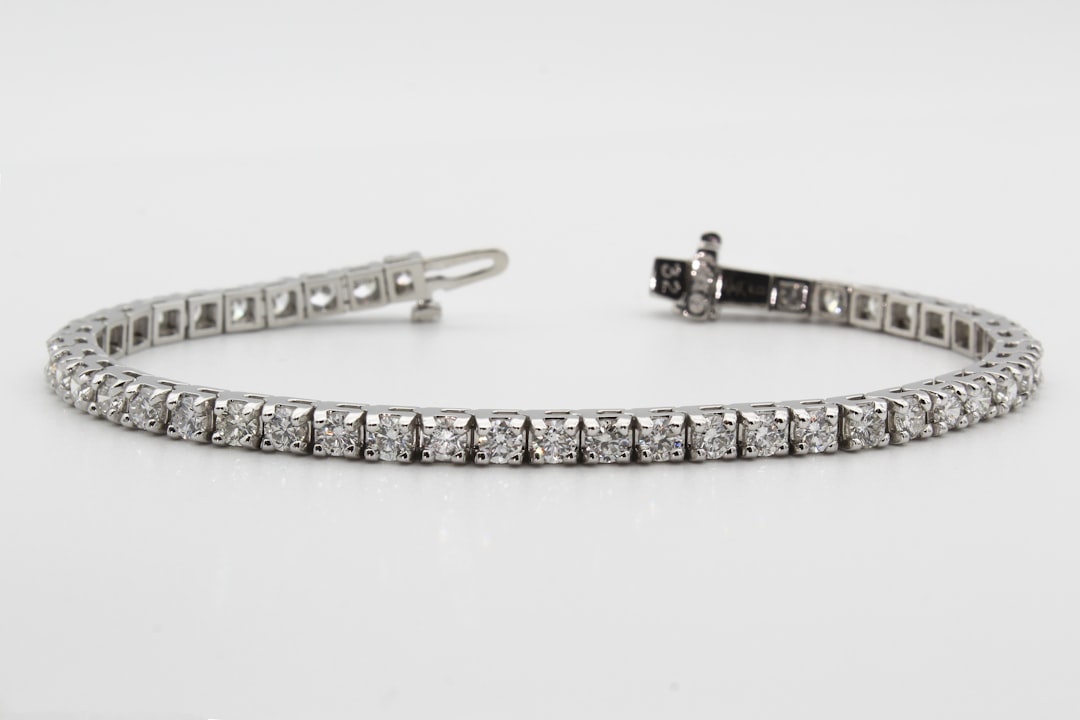
A tennis bracelet is a flexible line of diamonds set in a continuous row, designed to sit smoothly around the wrist and catch light with even, unbroken sparkle. The design became widely known after a well‑publicized on‑court incident at the 1987 US Open, but its formula—small, matched stones in a rhythmic line—has been around longer. What keeps people reaching for this style year after year is its versatility: it looks polished with a button‑down at work, delicate next to a watch on the weekend, and elegant with evening wear.
While many people picture round brilliant stones in prong settings, there’s a wide variety of details that change a tennis bracelet’s look and feel. Stone shapes can be round, oval, emerald, princess, or even mixed for a modern vibe. Settings may be shared prong, bezel, channel, or semi‑bezel, each affecting how much metal you see and how secure the stones feel. Metal choices—yellow, white, or rose gold, or platinum—shift the bracelet’s color temperature and durability. Clasps range from classic box clasps with figure‑eight safeties to upgraded push‑button closures. All these pieces work together to create the final impression.
Two things make tennis bracelets unique compared to other bracelets. First, the flexibility: the links and joints are engineered to drape smoothly without kinking. Second, the continuity: diamonds carry around the wrist in a consistent pattern. That combination yields the seamless twinkle that fans love. Getting the right build quality ensures the bracelet moves with your wrist rather than fighting it, and picking the right size ensures it sits in place without constant adjusting. Later sections will help you compare those details in a hands‑on way.
How to Buy diamond tennis bracelets in 2026
Start with your goal. Are you looking for a daily signature piece that can handle commuting, typing, and errands, or a special‑occasion bracelet that joins your rotation for celebrations? Your answer guides everything from stone size to clasp choice. Daily wear favors tighter, lower‑profile settings and a secure clasp system; occasional wear can lean more delicate if you prefer a slim, airy look.
Next, pick your visual language. If you prefer minimalism, consider smaller stones (0.05–0.10 ct each) in a bezel or channel setting that reads clean and modern. If you want overt sparkle, round brilliants in shared prongs maximize light return. Decide on metal color based on your wardrobe: white gold or platinum harmonize with cool tones, yellow gold warms neutrals and earth tones, and rose gold complements pinks and taupes.
Then match the bracelet to your lifestyle. If you’re an active parent, a frequent traveler, or someone who types for long hours, a bracelet that is slightly shorter (so it doesn’t flop into your keyboard) and has low‑profile settings can feel better. If you enjoy bold accessories, a looser fit and larger stones may be appealing while keeping safety features in mind. Keep a notepad with three columns—“must have,” “nice to have,” and “dealbreaker”—to stay focused when you compare options online or in‑store.
Finally, align your expectations with your budget. Defining a price range before browsing helps you navigate trade‑offs confidently. For example, you might prioritize an upgraded clasp and robust articulation in 14k gold over a small bump in total carat weight, especially for a bracelet you plan to wear often.
Understanding the 4Cs for Bracelet Diamonds
The 4Cs—cut, color, clarity, and carat—still matter in a line bracelet, but the priorities shift from a single large stone to many small stones working as a team. Here’s how to think about each one:
- Cut: Brightness matters most. Even in small stones (called melee), a well‑cut round or princess stone reflects light efficiently so the line twinkles. Many bracelets use calibrated, well‑cut melee graded in a commercial range (not always individually certified), but you can still ask about make quality and matching.
- Color: Consistency beats perfection. An even color grade across all stones helps the line read as a single ribbon of sparkle. Many buyers land in the near‑colorless range (G–I) because it looks bright in real life without an unnecessary premium.
- Clarity: Clean to the eye under normal wear is the goal. SI1–VS2 stones are popular in bracelets because inclusions are tiny and hard to see at wrist‑viewing distance, yet the value is sensible. Uniform clarity ensures the sparkle looks even end‑to‑end.
- Carat (per stone and total): Carat weight comes as both total carat weight (TCW) and approximate carat per stone. A bracelet might describe “3.0 ctw with 60 stones,” which implies around 0.05 ct per stone. Higher TCW increases visual presence but also affects weight, flexibility, and price.
Bracelets use many stones in motion. A slightly lower color or clarity grade can still look stunning because the effect is cumulative. On the other hand, poorly matched stones distract the eye. When shopping, compare several pieces under the same lighting and move your wrist—the best bracelet looks lively from every angle and shows no visible “hot” or “dull” patches.
If you’re curious about specific numbers, ask the retailer how they sort and match melee for bracelets. Many workshops group stones within tight color and size tolerances (for example, all stones between H and I color, 2.4–2.5 mm diameter) to create a uniform line. Hearing how that sorting is done tells you a lot about the bench standards behind the bracelet.
Metals, Settings, and Overall Build Quality
Metal affects both aesthetics and endurance. 14k gold (yellow, white, or rose) strikes a balance of strength and elegance for daily wear. 18k gold offers richer color but is slightly softer. Platinum is dense and strong, with a naturally white tone that doesn’t require rhodium replating; it tends to be heavier and often costs more. White gold usually receives rhodium plating for a bright, mirror‑white finish—expect occasional replating over the years to refresh luster.
Settings determine how much metal you see and how protected the stones are. Common choices include:
- Shared prong: Minimal metal, maximum sparkle; common in classic line bracelets. The claws are shared between adjacent stones to reduce metal footprint.
- Bezel: A rim of metal around each stone; modern lines, strong security, lower snag risk. Stones appear slightly larger thanks to the metal halo.
- Channel: Stones sit between parallel walls; sleek and low profile. Good for frequent typing or knitwear because there’s little to catch.
- Semi‑bezel/half‑bezel: Metal hugs two sides, balancing sparkle and protection, with a streamlined feel.
Examining build quality is crucial. Look for even spacing of stones, symmetrical seats, smooth edges that don’t scratch, and tidy soldering. Flip the bracelet over: a well‑made back shows clean joints and consistent articulation. Test the clasp multiple times; it should click securely and include at least one safety feature (for example, a figure‑eight latch or an under‑clasp safety). Quality construction is what lets a delicate look stand up to daily movement.
Consider weight and profile as well. Heavier bracelets often indicate more substantial metal and stronger hinges, which can improve longevity. A lower profile (stones sitting closer to the wrist) is less likely to catch on sleeves. If you prefer larger stones, choose a setting that keeps the top view lively while keeping side profiles smooth.
Links, Flexibility, and Clasp Types
The “feel” of a tennis bracelet comes from its links and joints. Each stone setting is connected by small hinges that let the bracelet curve around your wrist. When the articulation is smooth and consistent, the bracelet drapes like fabric. If it feels stiff, rattly, or prone to kinking during the try‑on, it may not have the comfort or longevity you want.
Common clasp systems include:
- Box clasp with safety: A tried‑and‑true classic. A tongue slides into a box until you hear a click; figure‑eight safety arms add backup security.
- Box clasp with push‑button: Adds a release button—easier to take on and off, helpful for long nails or limited dexterity.
- Lobster clasp (on adjustable line bracelets): Seen in some contemporary designs with extender chains; convenient, though less traditional.
Try the bracelet on and rotate your wrist. The best clasp disappears visually on the underside, and the bracelet stays oriented with stones facing upward. For peace of mind, many shoppers prefer a dual‑safety system—box clasp plus figure‑eights or an internal catch—especially with higher total carat weights. If you’re shopping online, ask the retailer for close‑up photos of the clasp and a short video showing opening and closing. A thoughtful clasp is as important as the sparkle.
Finding Your Size and the Right Fit
Getting size right is the difference between a sleek, wearable favorite and a piece you constantly adjust. Measure your wrist snugly just above the wrist bone (where a watch sits). Then add:
- 0.25–0.5 in (6–12 mm) for a close, tailored fit suitable for office work or everyday comfort.
- 0.75 in (19 mm) for a relaxed drape that still stays oriented.
- 1.0 in (25 mm) if you prefer a looser swing—just be mindful of snag risk.
Most women’s bracelets fall between 6.5–7.5 in, with 7.0 in a common default. Petite wrists may land at 6.25–6.5 in; larger wrists at 7.5–8.0 in. If you’re stacking with a watch, consider a slightly shorter tennis bracelet so it doesn’t compete for space. For gifts, a 7.0 in bracelet is a practical starting point if you don’t know the wrist size, provided the store offers resizing or length modifications.
Pay attention to how the bracelet sits during movement. A properly sized bracelet should roll slightly but not rotate completely under the wrist. If it keeps spinning or flipping, the bracelet is likely too long. Conversely, if it leaves marks or feels restrictive, add a quarter inch. When in doubt, ask the jeweler about adding or removing links so you achieve your ideal drape.
Tip: if you plan to wear the bracelet daily, aim for a snugger fit with low‑profile settings; if you want a statement look for special events, a touch of extra length and larger stones can create more sweep and sparkle.
Price Ranges and Budget Levers
Prices vary with total carat weight, stone quality, metal, and craftsmanship. While every market fluctuates and brand premiums differ, the following general bands help you map the landscape. Use them as orientation rather than promises—real quotes depend on specifics.
- Subtle daily sparkle (0.75–1.50 ctw): Often the most accessible range, especially with near‑colorless, eye‑clean stones set in 14k gold.
- Mid‑range presence (2.0–3.0 ctw): A popular sweet spot balancing impact and comfort. Many shoppers land here for milestone gifts.
- High‑impact luxury (4.0–6.0 ctw+): Larger stones, heavier metal, and upgraded clasps. Pay close attention to articulation and safety mechanisms.
To make the most of your budget, consider these levers:
- Color/clarity trade‑offs: Dropping from F/G to H/I color or from VS to eye‑clean SI can unlock savings with little change at wrist distance.
- Lab‑grown stones: Significant savings compared with natural stones of similar appearance (more on this below).
- Setting style: Bezel or channel settings can make smaller stones read larger, because the metal frames amplify the outline.
- Metal choice: 14k gold typically costs less than 18k or platinum and wears well day‑to‑day.
Example approach: suppose your target is a 2.5 ctw bracelet in white gold. Compare three builds at similar prices: (1) H‑I color, SI clarity with an upgraded clasp; (2) G‑H color, SI–VS clarity with standard clasp; (3) Lab‑grown stones at higher total carat weight with a robust clasp. Seeing them side by side makes your priorities obvious—sparkle, heft, security, or future flexibility.
Lab‑Grown vs Natural: Practical Comparisons
Both lab‑grown and natural diamonds can make beautiful tennis bracelets. The best option is the one that aligns with your budget, origin preferences, and long‑term plans. Here’s a practical comparison:
- Appearance: At the same cut, color, and clarity, both can look equally bright to the eye. The line effect emphasizes overall sparkle rather than individual stone character.
- Price: Lab‑grown diamonds (LGDs) generally offer notable savings for a given look. That can allow you to increase total carat weight or step up metal quality within the same budget.
- Availability & matching: It’s often easier to source tightly matched lab‑grown melee in bulk, which supports a uniform bracelet.
- Long‑term considerations: Some buyers weigh future resale dynamics differently. If that matters to you, ask retailers about upgrade or trade‑in policies for both options and consider how you plan to wear the piece over time.
Quality still matters. Whether you choose natural or lab‑grown, ensure stones are well matched in size and color and that the cut is lively. Ask about grading standards the workshop uses when sorting melee stones for bracelets. An evenly sparkling line is a function of collective craftsmanship as much as materials.
Ethics, Sourcing, and Documentation Without the Hype
Responsible sourcing is important to many buyers. While melee diamonds in bracelets are not always individually accompanied by grading reports, reputable jewelers can share information about their supply chains and standards. Look for transparent statements on sourcing and ask how stones are matched. For natural diamonds, retailers may work with suppliers that prioritize conflict‑free sources and reputable cutting houses. For lab‑grown, ask about the growth method (CVD or HPHT) and any post‑growth processes used to achieve final color.
Documentation to look for:
- Metal hallmarking: Stamp indicating 14k/18k gold or platinum (e.g., 585, 750, or Pt950).
- Workmanship warranty: Sensible coverage for issues like a faulty clasp or a manufacturing defect in links.
- Detailed sales invoice: Total carat weight, approximate stone size, metal type, length, setting style, and clasp type.
Ethics aren’t solved by a single document; they’re built into a retailer’s practices. Read store policies, ask questions, and favor companies that publish clear information about how and where their jewelry is made. If you want a curated starting point for learning the basics before you shop, visit our Jewelry guides hub to explore materials, styles, and maintenance tips.
Care, Cleaning, and Long‑Term Wear
A tennis bracelet lives at the busiest part of your day—your hands—and benefits from regular care to keep its sparkle and mechanics in good shape. Create a simple routine:
- Weekly wipe: Use a soft jewelry cloth to lift skin oils and lotion residue from stones and metal.
- At‑home clean (monthly): Soak for 10–15 minutes in a bowl of warm water with a small drop of mild dish soap. Gently brush with a soft toothbrush, especially around prongs and under galleries. Rinse and pat dry with a lint‑free towel.
- Avoid harsh chemicals: Remove your bracelet before using household cleaners, swimming in chlorinated pools, or applying heavy hair products. This lowers exposure to substances that may dull metal finishes over time.
- Store smart: Keep the bracelet in a fabric‑lined box or soft pouch to reduce scratches and tangles with other pieces.
For long‑term wear, develop habits that respect the mechanics. Put your bracelet on last when getting ready and take it off first at night. If you’re lifting weights, gardening, or doing tasks that could snag prongs or stress the clasp, set the bracelet aside. Schedule periodic professional inspections (for example, once or twice a year) to check articulation points and clasp tension and to refresh a white gold rhodium finish when needed. These small routines help sustain both sparkle and structural integrity without much effort.
Styling: Solo Sparkle or Layered Stacks
One reason tennis bracelets remain popular is how easily they adapt to different wardrobes. For a clean, classic look, wear a single bracelet in your preferred metal with a crisp shirt or a neutral knit—let the line of diamonds do the work. If you lean modern, try a bezel‑set bracelet in yellow or rose gold next to a minimal watch; the bezel rim reads graphic and contemporary without overwhelming the wrist.
Stacking is equally effective. Here are a few reliable combinations:
- Mixed metals: A white gold tennis bracelet sandwiched between rose and yellow bangles adds dimension.
- Texture play: Alternate a prong‑set diamond bracelet with a smooth solid cuff to contrast sparkle and shine.
- Graduated layers: Start closest to the hand with the slimmest bracelet and move up the wrist to chunkier pieces, so nothing gets hidden.
When pairing with a watch, choose a bracelet length that avoids constant contact with the watch clasp. If your watch is bold, pick a slimmer tennis bracelet for balance; if your watch is minimal, consider a mid‑range TCW bracelet to carry the look. The guiding principle is comfort—your wrist should feel balanced and unencumbered.
The Practical Checklist Before You Checkout
Use this quick checklist to compare options and stay confident about your final choice:
- Measure wrist snugly; add 0.25–0.75 in based on preferred drape.
- Decide on metal color that complements your wardrobe (14k for daily, 18k/platinum for a luxe feel).
- Choose setting based on look and lifestyle (shared prong for brightness, bezel/channel for low snag risk).
- Ask about stone matching and make quality; look for even sparkle with no visible dull patches.
- Inspect articulation and clasp security; test the safety mechanism several times.
- Confirm total carat weight, approximate stone size, and length in writing on the invoice.
- Review sensible coverage for workmanship and the store’s resizing and service policies.
- If comparing lab‑grown vs natural, ask about upgrade policies and choose the option that fits your priorities.
Finally, trust how the bracelet feels on your wrist. The best piece is the one you reach for without thinking—balanced, secure, and true to your style. With a clear plan for quality, sizing, and care, a tennis bracelet can move effortlessly from weekday to weekend and stay a staple for years.