capsule wardrobe essentials: build a timeless closet that fits your life
If you want fewer decisions and better outfits, capsule wardrobe essentials give you a framework to build a timeless, flexible closet. This guide turns the idea into a practical system you can start today and keep refining season after season.
Think of a capsule as a small set of high-performing pieces that mix and match easily. When the core works, everything else becomes easier: shopping, packing, getting dressed, and even laundry. Whether you prefer modern minimalism, romantic classics, or street-luxe, a capsule is about function first and style second, so it supports any aesthetic rather than restricting it.
You’ll find a checklist, outfit formulas, color and silhouette planning, fit and fabric guidance, care routines, and buying strategies. Bookmark this article and revisit during your next closet clean-out. For more style ideas and seasonal edits, explore our Style section.
Why a capsule now and how to avoid boredom
Capsule thinking has returned because it solves today’s most common style problems: decision fatigue, clutter, budget creep, and inconsistent quality. A solid capsule reduces noise and amplifies your best choices. It’s less about minimalism and more about coherence; fewer pieces, higher mileage, sharper identity.
Common myths make people hesitate. One myth says a capsule is bland. In reality, a capsule is the backbone, not the entire body. You keep 70–80 percent of your closet in the capsule and let the remaining 20–30 percent be the seasonal or expressive pieces—color pops, printed skirts, or that sculptural blazer you adore. Another myth says capsules ban trends. Not true. You can integrate a trend as long as it harmonizes with your palette and silhouette and doesn’t break your outfit math.
To keep a capsule interesting, build micro-variation at three levels: texture (ribbed knit versus smooth cotton), proportion (cropped boxy tee versus a drapey tunic), and finish (matte denim versus lustrous satin). Within a neutral palette, these differences prevent repetition. On a practical note, add an accessory swap habit. Put two bracelets, a scarf, and a hat on a tray by the mirror. Rotate one item each morning. Small shifts compound into fresh looks.
Finally, set a usage goal. If you aim for thirty wears per core item in a year, you’ll naturally discover what you love and what sits idle. This simple metric also reveals when an item deserves a better upgrade and when a trend piece should be a rental or secondhand experiment rather than a full-price buy.
capsule wardrobe essentials checklist
Use this master checklist as a starting point. Adjust counts up or down based on climate, lifestyle, and laundry cadence. A typical year-round capsule ranges from 28 to 45 pieces, excluding underwear, gym gear, and occasion wear.
- Tops (6–10): 2–3 neutral tees, 1–2 striped or textured tees, 1–2 button-down shirts, 1 refined blouse, 1 knit turtleneck or mock neck.
- Layering (4–6): 1 cardigan, 1 crewneck sweater, 1 blazer, 1 lightweight jacket, optional vest or overshirt.
- Bottoms (5–7): 1 dark straight-leg jean, 1 light or mid-wash jean, 1 tailored trouser, 1 relaxed trouser or wide-leg, 1 neutral skirt, optional tailored short.
- Dresses (2–4): 1 day dress (shirt or knit), 1 slip dress or column dress, 1 statement dress (print or color), optional rib knit dress.
- Outerwear (2–4): 1 trench or raincoat, 1 wool coat or puffer (based on climate), 1 leather or faux leather jacket, optional chore jacket.
- Footwear (4–6): 1 white or neutral sneaker, 1 leather loafer, 1 ankle boot, 1 strappy or block-heel sandal, optional ballet flat.
- Bags (2–3): 1 structured everyday bag, 1 crossbody or belt bag, optional tote.
- Accessories (6–10): leather belt, watch, minimal studs or hoops, scarf, sunglasses, beanie or cap, delicate chain, statement earrings or cuff.
Keep this list flexible. If you rarely wear dresses, trade those slots for additional separates. If you rely on dresses, make them your workhorses and reduce bottoms. The power of a capsule is in tailoring the counts to exactly how you live. To pressure-test your list, style three full outfits from the pieces you have in each category. If you can’t, the count or category likely needs tweaking.
Two useful add-ons: a compact loungewear mini-capsule (one soft set for home and quick errands) and a micro-occasion set (one refined blouse, one dressy skirt or trouser, and a dressy shoe). These occupy minimal space but handle the “nothing to wear” moments that derail a capsule.
Design your palette and signature silhouette
A consistent palette makes mixing easy, and silhouette rules ensure the look feels intentional. Start with a base palette (two to three neutrals) and an accent palette (up to two colors). For example, base: black, ivory, camel; accent: forest green, soft blue. If you’re color curious, keep accents in accessories or knitwear so they’re easy to rotate.
Next, define your signature silhouette by deciding where you prefer volume and where you prefer structure. Most people feel best when only one zone carries volume—top or bottom—and the other area stays slim or structured. Volume-on-volume can feel chic, but it requires deliberate length control and footwear that grounds the look.
Use these silhouette templates as guides:
- Neat top + Relaxed bottom: fitted knit or crisp shirt with wide-leg trouser or barrel jean. Add loafers or ankle boots to anchor.
- Relaxed top + Neat bottom: boxy tee or oversized shirt tucked into straight-leg jeans or a pencil skirt. Add a structured bag.
- Column: longline top with a straight skirt or a column dress; keep footwear lean to avoid heaviness.
- Cropped + High-rise: cropped tee or cardigan with high-rise straight or wide-leg; perfect with sneakers.
Write your silhouette rule on a sticky note and keep it by your mirror. A simple reminder like “neat top + relaxed bottom” or “cropped + high-rise” eliminates guesswork. For palette control, take a daylight photo of your core pieces laid out together. If any item reads as a near-miss—your “black” is closer to charcoal—decide whether it belongs. Tightening these details keeps your outfits cohesive and saves future buying regret.
Two additional techniques help with palette discipline. First, pick one dominant metal (silver or gold) and let it steer hardware on belts, bags, and shoes. Mixed metals can be interesting, but a dominant metal acts like a quiet through-line. Second, choose one signature print that repeats across seasons (for example, a narrow stripe or micro-check). A single repeating motif creates instant cohesion without extra effort.
Seasonal planning and climate adaptation
Think in quarters: spring, summer, fall, winter. Your core capsule stays the same, while 6–12 pieces rotate with the weather. This keeps the closet small yet responsive. Approach each quarter with a short planning note: what temperatures you expect, what events you have, and what silhouettes feel right.
- Spring: add a trench, lightweight knits, cotton shirting, and loafers. Shift to lighter washes and lighter scarves.
- Summer: prioritize breathability (linen, cotton voile, Tencel), add sandals and a breezy dress or two. Keep silhouettes away from the body for airflow.
- Fall: introduce richer textures (corduroy, suede), ankle boots, and a blazer or overshirt. Layer tees under shirts for warmth.
- Winter: focus on warmth-to-weight ratios—merino knits, wool coats, a puffer, lined trousers, and insulated boots as needed. Use thin thermal underlayers to extend capsule mileage without visual bulk.
For extreme climates, prepare micro-capsules that deploy quickly. A compact heatwave set might include two airy dresses, a pair of linen shorts, and a lightweight long-sleeve shirt. A cold-snap set could include a merino base layer, heavy knit, down layer, and insulated boots. Label these sets clearly and store them together so one weather shift does not upend your entire closet.
Travel schedules and hybrid work also affect seasonality. If you commute between warm and cool cities, keep a travel-ready layer set (packable trench, merino crewneck, scarf, and light gloves) by the suitcase. If you split time between office and home, dedicate one shelf to “desk-ready” items—blazer, elevated knit, neat jeans—so switching modes is effortless.
One final seasonal tip: schedule a 20-minute closet audit at the start and end of each quarter. Note what you wore most, what you avoided, and why. Then decide on one small experiment for the next quarter—perhaps a new texture or a different proportion. Tiny, deliberate tests keep your capsule evolving without disrupting the system.
Fabric and construction quality 101
The best capsule pieces are durable, comfortable, and easy to care for. Fabric knowledge helps you pick winners and avoid disappointments. Here’s a quick reference:
- Cotton: easy care and breathable. Midweight twill for chinos, poplin for shirts, heavy jersey for tees. Look for dense weaves and double-stitched seams.
- Wool & Merino: excellent warmth-to-weight and odor friendly. Choose merino for base layers and fine-gauge sweaters; choose wool blends for outerwear. Check for tight knits and smooth hand feel.
- Linen: breathable and strong; wrinkles naturally. Embrace the texture. Choose heavier linen for structure and lighter mixes for flow.
- Silk & Cupro: elegant drape with soft sheen. Great for blouses and slip dresses. Prefer French seams and tight stitching.
- Tencel/Lyocell: smooth drape and breathable; a strong alternative to rayon with better moisture management.
- Denim: midweight (11–13 oz) for year-round, heavier for structure. For longevity, consider raw or rigid denim that softens with wear.
Construction clues matter as much as fabric. Look for consistent stitching (8–12 stitches per inch on wovens), reinforced stress points (bar tacks at pockets), clean hems, and lined or bound seams where appropriate. If a garment twists on the hanger or the hem puckers, pass. Quality isn’t always about price; it’s about details that signal longevity.
Care impacts quality too. Wash cold unless the label advises otherwise, use gentle detergents, and skip heavy softeners that reduce fabric performance over time. Air-dry whenever possible. Laying knits flat on a towel preserves shape. Keep a simple stain routine: dab cold water first, then a small amount of stain solution, and test on a hidden area. The goal isn’t perfection; it’s good-enough habits that keep clothes in rotation longer.
Finally, get in the habit of reading fiber labels and comparing composition across brands. A 95 percent cotton tee with 5 percent elastane behaves differently than 100 percent cotton. If you like a shirt that holds shape and resists creasing, a small blend can be an ally. If you love a crisp, structured feel, lean toward pure fibers. Matching fabric behavior to your preferences pays you back every morning.
Fit, alterations, and proportion
Fit is the multiplier in every capsule. A $50 trouser hemmed to your perfect ankle length looks better than a $300 pair sitting wrong. Create a simple personal fit code by noting three items: your ideal inseam, sleeve length, and shoulder width. Keep these measurements on your phone for faster shopping decisions.
When something is close but not perfect, budget for alterations. Common quick wins include:
- Hems: jeans and trousers gain polish at the right break; cropped lengths sharpen sneakers and loafers.
- Waist nip: small waist adjustments can fix gaping and improve proportion.
- Sleeves: shortening sleeves to just above the wrist bone makes any blazer or shirt look custom.
- Darts & shaping: subtle adjustments in a blouse or dress create clean lines without stiffness.
Proportion is about harmony between garments and your body. Try the “mirror test”: pair each top with each bottom once, and photograph the combinations. You’ll quickly see which lengths and rises work together. If a top shortens your torso, reach for higher waists or tuck. If a wide-leg overwhelms, add a slight heel or a slim, structured top. Small changes in proportion often solve what looks like a major style problem.
As you refine, capture your best combinations. Label them in your phone as “go-to looks” with notes like “straight jean + loafer + cropped cardigan (half-tuck).” On sleepy mornings, this list becomes an autopilot. Many stylish people aren’t more creative; they are more consistent with combinations that work for them.
Outfit formulas you can repeat
Formulas make dressing fast and repeatable without feeling repetitive. Think of each formula as a recipe you can season with accessories or textures. Here are nine that cover most days, with variations to match climate and mood:
Work (smart casual to business casual)
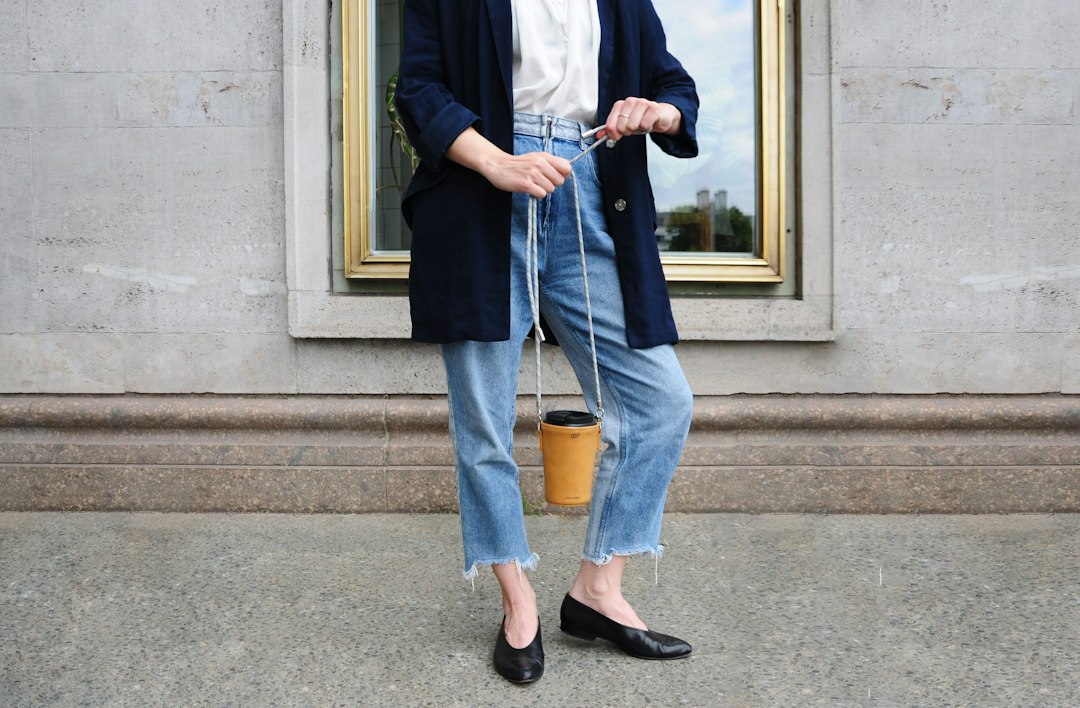
- Blazer + tee + straight jean + loafer: add a belt and structured bag. Swap the tee for a fine-gauge knit when temperatures dip.
- Button-down + tailored trouser + ankle boot: add a silk scarf and a sleek belt; layer a thin knit under the shirt in cooler months.
- Knit dress + trench + block heel: minimal jewelry and neat hair create a clean line. For winter, add opaque tights and a tailored coat.
Weekend
- Boxy tee + barrel jean + sneaker: cap and sunglasses for off-duty cool; substitute a cardigan for the tee when it’s breezy.
- Overshirt + tank + relaxed short + sandal: swap sandal for a sneaker when walking more. A woven belt adds polish.
- Crewneck sweater + skirt + ballet flat: a crossbody bag balances proportions; try a satin skirt for texture contrast.
Evening
- Slip dress + leather jacket + strappy heel: a delicate chain and small clutch keep the look streamlined; add a shawl in cool weather.
- All-black column + statement earring + sleek boot: mix textures—matte, satin, suede—to add depth.
- Blouse + wide-leg trouser + pointed flat: a red lip or cuff adds understated drama; in winter, swap the flat for a sock boot.
Write down three favorite formulas and keep photos on your phone. Repeat them with micro-variation—switch fabrics, swap shoes, change the bag—and they’ll never read as the same outfit twice. If you feel stuck, set a small weekly challenge: one day for denim, one for skirt, one for dress. Structure breeds creativity.
Footwear, accessories, and layering strategy
Shoes and accessories transform the same base outfit and solve proportion challenges. A sleek ankle boot lengthens wide-leg trousers, while a retro sneaker softens a blazer-and-jeans combo. Use this playbook:
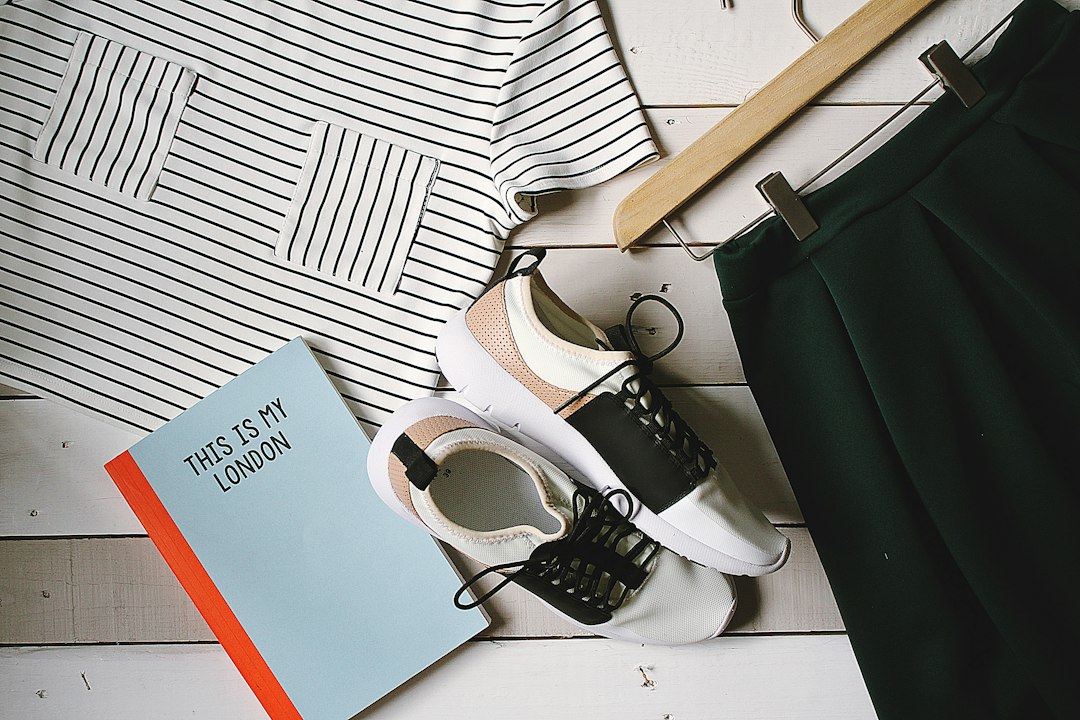
- Sneakers: white or off-white for maximum mixability. Retro styles pair with trousers; modern runners lean sport-coded. Keep the laces fresh.
- Loafers: polish without formality. Lug soles add edge, classic soles read refined. Try a sock in your accent color for subtle interest.
- Ankle boots: choose shaft height to match your silhouettes. Sock boots for sleek lines, Western for character. Consider heel shape: block heels ground, slim heels elongate.
- Sandals: block heels for stability, minimal straps for elegance with summer dresses. If walking a lot, pick cushioned footbeds.
Accessories should serve purpose and harmony. Belts define waists over volume and help half-tucks look intentional. Scarves add texture and draw the eye upward. Jewelry harmonizes with your palette—cool metals with cool tones, warm metals with warm tones. One statement piece per outfit often does enough; the capsule’s job is to simplify, not overwhelm.
Layering turns a small wardrobe into many outfits. Think in threes: a base (tee, tank, or blouse), a mid-layer (cardigan or overshirt), and an outer layer (blazer or trench). Aim for mixed textures so layers read as intentional. If you tend to overheat or dislike bulk, choose thin, smooth underlayers that disappear under knits.
Finally, align accessories with your daily carry. If you routinely bring a laptop, a structured tote becomes a core item, not an afterthought. If you’re mostly hands-free, a compact crossbody or belt bag might be your daily driver. Design the system around your realities.
Maintenance and garment care routines
A capsule works when pieces stay in rotation. Simple care habits extend lifespan and keep everything looking sharp. Build a maintenance routine you can follow in under an hour per week:
- Laundry cadence: wash tees and shirts often, but sweaters every 5–7 wears. Air knits between wears to refresh.
- Washing methods: cold water for most fabrics, delicates bag for knits, and inside-out for denim to slow fade. Choose gentle detergents and skip heavy softeners.
- Drying: air-dry whenever possible. Lay knits flat. A simple drying rack becomes your capsule’s best friend.
- De-pilling: a fabric shaver revives sweaters in minutes; keep it near your mirror.
- Storage: fold knits, hang wovens, and use cedar or lavender for moth control. Seasonal bins keep off-season items clean and visible.
- Quarterly audit: every three months, review wear counts, repair piles, and misfits. Remove what no longer serves and note gaps.
Small habits save time and money. A soft-bristle brush for suede, a sneaker wipe by the door, and a home steamer for wrinkles add years to your favorites. For leather, an occasional conditioning cream maintains suppleness. For denim, wash less and refresh with a short air-out session.
To prevent overwhelm, create two small kits: a care kit (stain pen, fabric shaver, lint roller, sweater comb) and a tailor kit (safety pins, a few spare buttons, a travel sewing kit). Keep them in a labeled box near the closet. When you notice an issue, you can solve it in two minutes instead of letting it pile up.
Smart shopping: budgets, thrifting, and sustainability
Shopping for a capsule differs from trend-chasing. You buy fewer items and allocate more budget per piece, but you still watch cost-per-wear. Before checkout, ask three questions: Does it work with three things I already own? Does it fit at least one of my outfit formulas? Does it align with my palette and silhouette rule?
The 3–3–30 rule is useful: style the item with three existing pieces, imagine wearing it in three settings (work, weekend, travel), and aim for thirty wears within a year. If it passes, it belongs in your capsule. If not, wait and reassess next season.
Thrifting and resale are powerful for capsules. You can find wool coats, cashmere, and leather at a fraction of retail. Learn how to evaluate condition—check lining, zippers, and seams—and how to tailor. Ask stores or sellers for measurements. For online resale, filter by fabric composition and save searches for your preferred brands and sizes.
For new purchases, look for transparent material lists and dependable construction. You don’t need perfection; you need honest materials and stitching aligned with your budget. If sustainability matters to you, consider frequency of wear as the most impactful metric. A responsibly made tee that is worn weekly for years beats a perfect scorecard item that gathers dust.
Finally, pre-commit to a shopping rhythm. Many people do best with two focused buy windows each year—spring and fall—plus small maintenance buys (like replacing a white tee) as needed. This rhythm reduces impulse buys and lets you evaluate your capsule with a cooler head.
Common mistakes and how to fix them
Most capsules falter for predictable reasons. Here are five frequent pitfalls and the simplest fixes:
Mistake: Too many outliers. If a third of your closet doesn’t pair with anything else, you’ve accumulated orphans. Fix: build around two bottoms and one jacket you wear most. Add only tops that pair with both bottoms and the jacket. After a month, reassess and add the next layer.
Mistake: Palette drift. Neutrals quietly shift—your “black” is actually charcoal, or your “ivory” reads yellow. Fix: photograph pieces in daylight and delete near-duplicates. Choose one dominant neutral and align future buys to it. If you crave variety, introduce it through texture or accessories, not a fifth neutral.
Mistake: Ignoring footwear. Great outfits die at the ankle. Fix: try outfits with each shoe category and take notes. If a silhouette only works with a shoe you rarely wear, adjust the hem or let the piece go.
Mistake: Over-editing. Cutting down to too few pieces can backfire. Fix: maintain a comfort buffer. If laundry cadence is weekly, ensure you have at least one spare in each core category.
Mistake: Copying someone else’s capsule. Inspiration helps, but bodies and routines differ. Fix: audit your week. If you work hybrid, you may need more smart-casual separates rather than suiting. If you travel, prioritize wrinkle-friendly fabrics and layers.
When in doubt, run a simple audit: hang all items with the hook facing backward. After wearing, return with the hook forward. In two months, items still backward are candidates for resale or donation—unless they serve a specific purpose (rain gear, formal wear). This gentle method lowers pressure and makes decisions evidence-based.
Case snapshots: three lifestyles, three capsules
These quick profiles show how to personalize without losing the capsule backbone:
Hybrid professional (office + remote)
- Palette: navy, ivory, gray; accent: soft green.
- Highlights: unstructured navy blazer, ivory blouse, straight-leg denim, gray trouser, loafers, ankle boots.
- Formulas: blazer + tee + straight jean; blouse + trouser; knit dress + trench.
- Seasonal swaps: summer linen shirt and sandals; winter merino base and wool coat.
Creative casual (studio + client meetings)
- Palette: black, charcoal, white; accent: rust.
- Highlights: relaxed black trouser, barrel jean, boxy tee, leather jacket, statement scarf, retro sneakers.
- Formulas: oversized shirt + neat bottom; black column with statement earring; tee + wide-leg + loafer.
- Seasonal swaps: summer tank dress and light overshirt; winter puffer and chunky boots.
On-the-go parent (errands + playground + casual dinners)
- Palette: olive, cream, denim; accent: soft blue.
- Highlights: chore jacket, soft crewneck, ribbed tank, straight jeans, washable skirt, crossbody bag, white sneakers.
- Formulas: crewneck + skirt + flats; overshirt + tank + short; tee + straight jean + sneaker.
- Seasonal swaps: heatwave capsule with linen shorts; cold-snap micro-capsule with insulated boots and merino layers.
Use these as idea starters, not prescriptions. The point is to preserve the structure while swapping in the pieces that serve your days.
Packing a capsule for travel
A travel capsule saves suitcase space and cuts unpacking time. Start with one jacket, one sweater, two bottoms, three tops, two shoes, and one dress or extra bottom based on destination. Keep the color story tight. Shoes: one comfortable walking pair and one smarter pair (loafers or a sleek sneaker). Add a scarf and belt for polish and proportion control.
Premix outfits on the bed and snap photos. Pack by outfit, not by item. Use lightweight cubes to separate day looks, evening looks, and underlayers. If you expect rain, choose water-resistant shoes and a trench. If you expect heat, double down on breathable fabrics and airy silhouettes. Your travel capsule should feel like your home capsule, just edited to the itinerary.
For longer trips, apply the rule of doubles: two tops per bottom, two layering options for the whole trip, and a pair of shoes that can cross categories (a clean leather sneaker that reads smart-casual). If laundry is available, cut tops to one per day and plan a mid-trip wash. The aim is fewer choices with higher confidence.
Finally, keep a tiny travel care kit in your suitcase: folding hanger, fabric shaver, mini steamer or wrinkle-release spray, and spare buttons. When outfits survive transit well, a small suitcase can handle big plans.