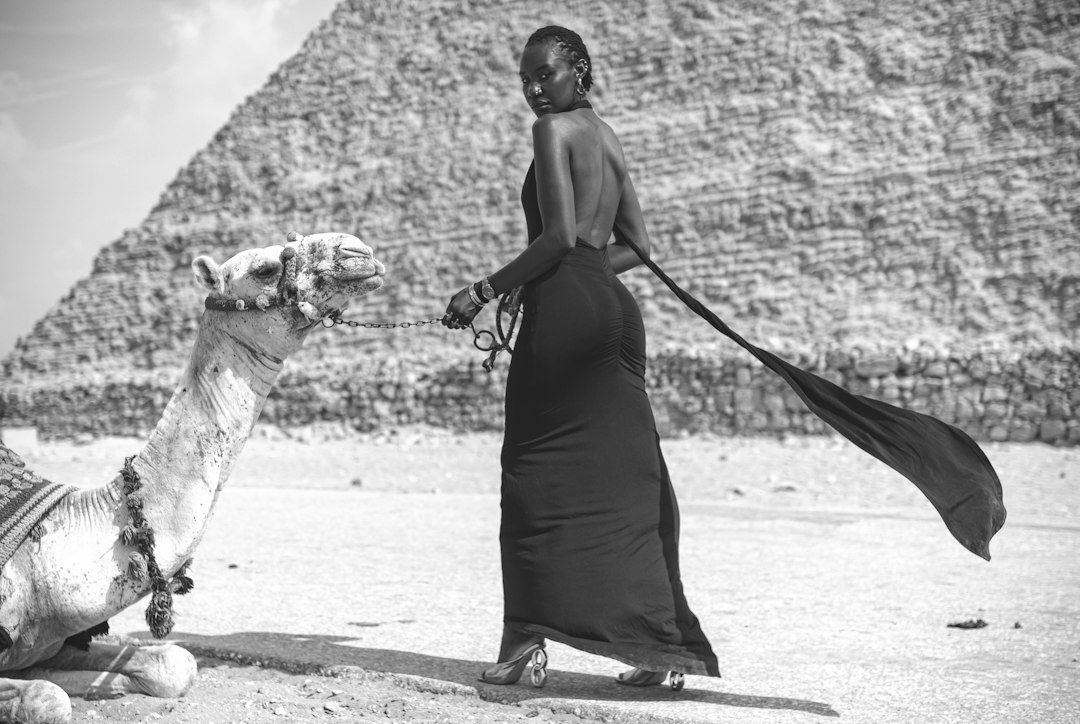
Fashion changes every season, but fashion subcultures last because they carry stories, codes, and communities. If you have ever spotted a look across the street and felt it meant something beyond clothes, you were probably reading the signals of fashion subcultures—shared styles that express values, music, and identity. This guide turns that instinct into a practical toolkit: how to recognize a scene, how to participate respectfully, how to build a wardrobe that holds up, and how brands can support culture without flattening it.
Throughout, you will find examples, checklists, and maintenance tips. If you want more essays and style deep dives after this read, explore the Fashion Culture hub at myfashionsecrets.com/category/fashion-culture/ for related articles and photo diaries that follow scenes from clubs and skate spots to studios and vintage fairs.
What fashion subcultures are—and aren’t
A fashion subculture is a community that uses clothing, grooming, and accessories as a shared language to signal belonging and beliefs. This language forms organically over time around venues, music, neighborhood geographies, or online scenes. A subculture is not a marketing campaign, a single runway season, or a hashtag that spikes for two weeks. It is a social pattern with its own etiquette, reference points, and moral economy about who gets to speak for whom.
Five traits tend to define a durable style scene. Learn to spot these and you will rarely misread a look:
- Shared codes: recognizable silhouettes, fabrics, or motifs that insiders can spot from across a room.
- Origin myths: a story of how the look began—maybe in a club, a campus, a skate spot, a rehearsal studio, or a city block.
- Gateways: shops, markets, zines, Discords, or small brands that act as entry points for newcomers.
- Heroes and elders: photographers, musicians, stylists, skateboarders, or archivists who keep history alive while pushing the look forward.
- Rituals: weekly nights, seasonal drops, or DIY practices that mark time and build trust within the group.
Because subcultures are social worlds, they include boundaries. Those can be healthy—keeping a space safe—or harmful if they exclude without care. Good observers ask not only what a look means but who it serves, who it harms, and who profits from it. When in doubt, assume you are seeing the tip of a much bigger story, and let curiosity lead instead of judgment.
The evolution of fashion subcultures
Scenes rarely appear from nowhere. They grow out of economics, technology, and media. After World War II, youth markets and music cultures accelerated style differentiation: mods on scooters in slim tailoring; rockers in leather; beatniks in black knits; later, punks hacking their clothes with safety pins and DIY slogans. In the 1980s and 1990s, hip-hop turned athletic logos, tracksuits, and sneakers into status signals while goth reworked Victorian romance through black lace, eyeliner, and heavy boots. Rave culture fused utilitarian gear with day‑glo accessories suited to long nights and sound systems.
Globalization and the internet multiplied cross-pollination. The Harajuku streets mixed kawaii sweetness with visual kei drama. In the 2010s, normcore twisted the dial toward deliberate banality, while gorpcore elevated outdoors kit into urban uniform. Then came cottagecore’s pastoral escape, Y2K revivals, bloc or blokecore terrace references, and “quiet luxury” minimalism as an antidote to logo maximalism. Today, micro-scenes bloom and fade quickly, but the lasting ones still outsource authority to lived practice: time spent at skate parks, studios, rehearsal spaces, club nights, or repair benches.
Across decades you can trace three rhythms. First, a practical need (comfort, utility, price) becomes aesthetic. Second, a musical or social movement gives the look emotion and a sense of “us.” Third, fashion houses and mass retailers amplify and remix it, sometimes respectfully, sometimes clumsily. The healthiest outcomes happen when origin communities retain power and recognition, and when brands contribute skills—distribution, quality control, visibility—without rewriting origin stories.
How style codes actually work
Every scene has stable reference points. If you learn to read them, you can decode looks without guessing wildly. Here is a working map with examples you can practice on the street or in your own mirror:
- Silhouette: the most powerful code because you see it first. Punk’s jagged layering and torn edges read different from clean Japanese workwear lines, relaxed skate proportions, or raver bagginess meant for movement.
- Materials: tartan wool, PVC, raw denim, nylon ripstop, mohair, lace, fleece, velvet. Textiles carry class, place, and climate stories. A glossy nylon shell in a city center says something different than a waxed cotton jacket on a coastal pier.
- Palette: acid brights vs. ash neutrals. Subcultures often share a narrow set of hues that stay consistent across decades. Quiet luxury leans camel, taupe, charcoal; goth leans matte black with silver hardware; rave leans high-visibility with reflective hits.
- Details: piercing placement, patches, visible repairs, reflective tape, carabiners, charms, or pearl strands—none is random. A chain on a wallet is a different story than a chain around a neck.
- Footwear: creepers, Air Force 1s, Doc Martens, trail runners, penny loafers—shoes anchor narratives about mobility, class access, and the activities your day actually includes.
- Grooming: haircuts, nail shapes, facial hair, fragrance families. Think of grooming as an appendix to the silhouette—less visible from a distance, but decisive up close.
- Carriage: gait, stance, and the way a jacket is shrugged on or a bag is slung. Style lives in motion as much as in garments; the same hoodie reads different on a hurried commuter and a skater bending into a kick-push.
The trick is not to memorize everything but to notice what repeats. When three or four of these categories align across wearers and across days, you are likely standing inside a subculture’s field. To sharpen the eye, keep a small note on your phone: silhouette, palette, footwear, one detail. Two minutes of jotting on a bus ride turns into pattern recognition over a month.
Field guide snapshots you can actually use
Use the quick checkpoints below when you are trying to place a look. They are not exhaustive, and people mix codes freely, but these anchors help you orient before you ask questions and learn the story behind the outfit.
- Mods: scooter parkas, slim suits, desert boots, soul and R&B, sharp lines, neat hair.
- Punk: DIY customization, safety pins, tartan, patched or slashed denim, graphic tees, combat boots.
- Goth: black-on-black, lace and leather, heavy boots, androgynous or romantic hair, silver jewelry, dramatic makeup.
- Hip-hop: athletic codes, sneakers as status, street-tailoring hybrids, caps, chains, team jackets, regional riffs.
- Rave: baggy silhouettes, reflective details, utility vests, candy beads, comfortable shoes, UV moments.
- Skate: loose jeans, graphic tees, hoodies, beanies, vulcanized sneakers, scuffs from real use.
- Prep: oxfords, loafers, rugby shirts, chinos, varsity knits, navy blazers, collegiate color blocking.
- Harajuku lanes: layered kawaii, lolita frills, visual kei drama, thrifted eccentricity, handmade charms.
- Gorpcore: trail shoes, technical shells, cargo pockets, fleece, earth tones, climbing hardware.
- Normcore: jeans, plain tees, plain sneakers, baseball caps, deliberate “average.”
- Y2K: low-rise denim, baby tees, tiny sunglasses, shiny mini bags, glossy lips, logo belts.
- Quiet luxury: minimal silhouettes, restrained palettes, fine materials, subtle hardware, immaculate fit.
Context adds layers. A skater might borrow a mohair cardigan from indie codes; a prep look might pick up a trail runner for comfort. A quiet luxury dresser might wear a vintage tee at a record fair. Your job as a reader of style is to notice the anchors first, then enjoy the remix without forcing it into a single label.
How scenes spread now: from dance floors to algorithms
In the past, nightclubs, record shops, campus societies, and local retailers acted as transmission lines for style. Today, clips, grids, and livestreams do part of that work. A single concert fit or thrift haul can travel worldwide in minutes. Speed brings upsides—visibility, access, global conversation—and downsides when microtrends ping-pong weekly and wearers burn out on novelty.
Three realities shape diffusion in the 2020s:
- Algorithmic boost: a visual aesthetic can spike before its underlying ethics or backstory are widely understood. The look goes mainstream while the meaning lags behind.
- Platform vernaculars: the same outfit reads differently on short video, long video, photo carousels, and livestreaming. Each format edits meaning by what it highlights—movement, stillness, craft, or crowd energy.
- Global sourcing: vintage sellers, small labels, and custom makers ship internationally, flattening old geographic walls. A kid in a small town can buy a Tokyo tee and a Berlin zine by lunch.
As a participant, build your own filter. Save creators who document craft, credit originators, and show sourcing. Mute noise that chases views without care. Consider a small media diet: three creators who teach, three who archive, three who show daily wear. Culture breathes best when attention rewards substance instead of churn.
How to decode a look in the wild
When you see an unfamiliar outfit, resist the urge to label it immediately. Walk the checklist instead. You will learn more, and you will be kinder to the person wearing it.
- Notice silhouette first: cropped vs. oversized, tailored vs. loose, rigid vs. fluid. Sketch the outline in your head before you zoom into logos.
- Scan materials: what textiles, what weatherproofing, what age or patina? Is the denim crisp, broken-in, or visibly repaired?
- Log the footwear: it often tells you the activity the wearer expects—skating, dancing, walking, office politics, or all four in one day.
- Look for repeated motifs: patches, charms, college crests, reflective stripes, ribbons. A single motif can tie together an otherwise eclectic fit.
- Observe carriage: confidence, slouch, briskness, the way hands hold bags or pockets. Carriage is culture; it tells you if the clothes are a costume or a second skin.
- Context matters: city, venue, weather, time of day, music playing. The same outfit reads differently at noon and at 3 a.m., at a gallery and on a bus.
Then, if you have permission and rapport, ask gentle questions. People who love their scene often love to tell the story: who made the jacket, what that pin means, why the shoes matter. You are not pinning a butterfly to a board; you are meeting a person with a language you are trying to learn respectfully.
Participating respectfully: ethics for wearers
Joining a subculture is not cosplay; it is about respect and reciprocity. Every scene has internal debates and non-negotiables. You will make fewer missteps if you aim for humility first and visibility second. These principles help.
- Credit sources: if a local maker, stylist, or shop shaped your look, tag them, buy from them, and mention them when friends ask. A simple “This ring is from the market on 3rd” keeps money and recognition moving.
- Buy the right stuff first: invest in anchor pieces that hold a scene’s silhouette together (coats, boots, bags), then add flourish slowly. A single perfect jacket says more than a haul of almost-right tees.
- Learn the origin story: know the venues, photographers, or neighborhoods that gave the look gravity. You do not need a dissertation—just enough context to avoid obvious mistakes.
- Practice reciprocity: if you benefit from a scene, give back—volunteer at events, support small drops, share knowledge with newcomers, or lend gear.
- Read the room: some spaces welcome cameras; others do not. Ask before you shoot. Dress to enjoy the event, not to turn every moment into content.
- Be climate and context aware: adapt codes to your city and weather instead of forcing a look that will make you miserable or wreck delicate garments.
Appropriation is the hardest topic because not all borrowing is equal. A rule of thumb: the farther a reference is from your lived experience, the more homework and credit it deserves. If a motif, hair practice, or garment carries weight for a community, treat it like a story with people in it, not a print to harvest.
How to build a wardrobe with subcultural DNA
The smartest closets are modular: a few high-signal staples, multiple styling options, and a support cast of durable basics. Here is a plan to build a scene-aligned wardrobe without overspending or buying throwaways.
- Define your two anchors: pick the silhouette and footwear that say your scene out loud. Everything else supports them. For example, wide trousers and loafers push toward prep; straight denim and vulcanized sneakers lean skate.
- Choose a tight palette: three main colors plus one accent. It makes mixing easy, streamlines laundry and care, and reduces impulse buys.
- Split the budget: 60 percent on long‑wear pieces (coats, boots, bags), 30 percent on scene‑specific midlayers (hoodies, knits, vests), 10 percent on playful accents (pins, charms, belts).
- Mix new, vintage, and DIY: buy quality new when it counts, vintage when it adds soul, and customize when you want meaning. A patch you sewed tells a truer story than a logo bought at midnight.
- Set a test drive rule: after you buy, wear the piece three different ways in two weeks. If it fights every outfit, resell quickly while it is still new enough to find its person.
Some practical examples clarify how codes slot into daily life:
Sample capsule: city skate
- Loose selvage denim with visible repair; heavyweight graphic tee; hoodie; reversible bomber; vulcanized sneakers; beanie; crossbody with hardware.
- Palette: dark indigo, charcoal, one vivid accent.
- Care: brush denim, rotate sneakers, reinforce high‑wear seams with a zigzag stitch.
Sample capsule: modern prep
- Rugby knit, oxford shirt, chinos, loafers, varsity cardigan, navy blazer, leather belt.
- Palette: navy, cream, forest; brass and leather accents.
- Care: cedar blocks for knits, polish loafers, press seams lightly with a cool iron.
Sample capsule: gorpcore commuter
- Technical shell, fleece midlayer, cargo pant, trail runner, cap, carabiner key clip, reflective details.
- Palette: earth tones plus one safety color.
- Care: air out shells, cold wash technical fabrics, refresh water-repellency when droplets stop beading.
If you like more inspiration and build sheets, the Fashion Culture archive at myfashionsecrets.com often includes packing lists and brand spotlights designed with longevity in mind.
Brand playbooks: engaging with scenes without erasing them
Brands help scenes grow when they bring resources without taking the mic. That is hard work but possible with humility and clear commitments. If you work in marketing, merchandising, or PR, consider this playbook before you brief a campaign.
- Hire inside the scene: pay originators and historians to consult, model, design, and write copy. A photoshoot styled by insiders reads different from one that only imitates the look.
- Show receipts: document references and partnerships. Credit photographers, name venues, and explain why a specific fabric or motif matters. Transparency builds trust and helps customers learn.
- Invest in infrastructure: sponsor independent venues, community studios, repair stations, or skating lessons rather than only launching merch. Infrastructure keeps value circulating where it started.
- Make quality: if you borrow from workwear or outdoor scenes, the product should stand up to real use. Poor build quality erodes trust faster than any styling mistake.
- Leave room for local dialects: a global roll‑out that ignores local variants flattens culture. Co‑create with community shops and let them adapt color, hardware, or graphics to local history.
How do you know it is working? Look for signs such as repeat collaborations with the same community partners, garments seen in real spaces rather than only on set, repair and resale programs that keep pieces in circulation, and feedback loops where criticism is met with adjustments instead of silence.
Adapting to place: climate, city form, and infrastructure
Clothing is architecture in motion. Climate and city form change what a scene looks like day to day. A heat‑heavy coastal city will translate goth into lighter fabrics and parasols. A rainy, hilly town will shape skate footwear and denim choices. Transit systems matter, too: if you stand and walk more than you drive, silhouettes and footwear evolve toward comfort and durability.
Use this checklist to localize responsibly:
- Weather: rain protection, insulation, breathability, sun exposure. Swap a thick wool for a looser‑weave black shirt in hot climates; add a liner to a bomber in cold ones.
- Surface: cobblestone vs. asphalt vs. turf; shoe grip and midsole resilience. Trail‑inspired soles make sense in a city with broken pavement; smooth soles glide in gallery spaces.
- Storage: do you need secure pockets, crossbodies, or backpacks for commuting? What happens to the look when your bag is full?
- Care access: do you have tailoring, resoling, and mending options nearby? A scene with a great cobbler wears different from a scene without one.
- Noise and visibility: reflective details for night cycling or nightlife; muted palettes for quiet spaces. Consider where you spend evenings, not just office hours.
Scenes adapt better when they treat geography as a collaborator, not a constraint. The same codes can be tuned like instruments to sound right in your neighborhood without losing the melody of the scene.
Care and maintenance: keep your scene alive longer
Nothing undermines a look faster than neglected clothes. Good care routines stretch budgets, reduce waste, and deepen your connection to the scene because you learn how pieces are built. Here is a practical baseline you can adapt to your materials and weather.
- Read labels and construction: fabrics like raw denim, mohair, PVC, leather, and technical shells want different washing schedules and detergents. When in doubt, spot clean, air out, and soft‑brush before you consider a full wash.
- Rotate footwear: alternating pairs lets midsoles rest and uppers dry, which helps shape and comfort last. New insoles can add life to an older favorite.
- Brush knits: a soft brush and a sweater stone will manage pilling on mohair or lambswool without chewing the fiber. Store folded, not on hangers.
- Protect leather: condition occasionally, store with shape support, and keep away from heaters and direct sun.
- Patch and darn: visible mending is culture on its own. A good darn or sashiko patch adds memory to denim and workwear while stopping a hole from growing.
- Store with care: wide hangers for structured jackets, folding for knits, dust bags for delicate bags, cedar blocks or airtight bins to lower moth exposure.
Build a simple quarterly routine: clean and condition shoes; brush and de‑pill knits; wash shells if the coating starts to feel tacky; check hems, cuffs, and linings for early repairs. Make care social when you can. Swap repair skills at a community event, trade extra buttons and hardware, and share tailors and cobblers who understand your scene’s needs.
Budgeting smartly, sustainability, and common mistakes
Looking good and looking forward can align. The goal is not hair‑shirt minimalism; it is deliberate, confident choices that reduce waste and increase joy per wear. Being intentional also helps you avoid the most common pitfalls new participants make.
Budget and sustainability basics
- Buy fewer, better: the jacket that works with eight outfits is the opposite of boring—it is a stage for your accents, patches, and jewelry.
- Circulate: resell, swap, and lend garments within your community. Treat your closet like a small library with friends; it keeps clothes moving and stories shared.
- Demand durability: reward brands that publish repair info, sell parts, or run resoling and re‑dye services. Those programs reduce waste and teach care skills.
- Archive your data: keep a simple note of what you wore, how it felt, and how many times you reached for it. Over time, you will see which pieces do real work.
Common mistakes to sidestep
- Copy‑paste without context: lifting a post head‑to‑toe can miss the climate, function, or history that makes it work. Translate, do not duplicate.
- Over‑logo‑ing: badges are not a substitute for fluency. Start with silhouette and fabric, then let logos follow if they truly belong.
- Ignoring comfort: the best looks move with your life. If you cannot dance, sit, or carry what you need, the look will fade after three wears.
- Forgetting care: a PVC jacket stored hot and folded may crack; a mohair knit jammed on a wire hanger will sag; trail shoes worn only on city concrete can wear strangely. Understand the tradeoffs and plan around them.
- Rushing the build: closets mature. Give yourself seasons to learn, test, and refine instead of trying to “complete” a scene in one purchase weekend.
Glossary for faster fluency
- Silhouette: the overall shape of an outfit from a distance.
- Scene anchors: garments or shoes that give a subculture its outline.
- Provenance: where a piece came from—brand, maker, year, place.
- Patina: visible aging that adds beauty and story.
- Deadstock: unworn vintage with original tags; lovely but not automatically superior.
- Visible mending: repair that is intentionally shown as part of the design.
- Hardwearing: a build or fabric that tolerates abrasion and repetition.
- Archive: older seasons valued for design or cultural significance.
Clothes become culture when they store memory: a patched denim knee that reminds you of a fall, a club tee that summons the night you met a friend, a careful resole that carries boots into another season. Fashion subcultures keep those memories collective. They let you say who you stand with before you say a word. If you approach them with curiosity and care, they repay you with belonging, craft, and a style vocabulary that can grow with you for years.
To keep exploring how style, culture, and daily life intersect, visit the home page at myfashionsecrets.com and check the latest essays and interviews in our Fashion Culture category. Share your stories, too—the scenes stay alive when we wear them, tend them, and talk to each other about what they mean.