The Ultimate Capsule Wardrobe Checklist for Effortless Style
If you’ve ever stood in front of your closet and sighed, a capsule wardrobe checklist is the simplest way to reclaim your mornings. This guide breaks the process into clear steps: identify your core pieces, refine a color palette, check fit and fabric, and practice repeatable outfit formulas that feel like you—without overthinking every choice.
Consider this your field manual for dressing well on busy days, slow weekends, business trips, and everything in between. By the end, you’ll know how many pieces you actually need, which items do the most work, and how to build outfits quickly with fewer—but better—clothes.
Bookmark this page and revisit it every season as your life, work, and weather change. A great capsule isn’t a rigid rulebook; it’s a flexible system that adapts to you and helps you get dressed with more ease and confidence. For more outfit ideas and seasonal lookbooks, explore the latest guides at myfashionsecrets.com.
What a Capsule Wardrobe Is (and Isn’t)
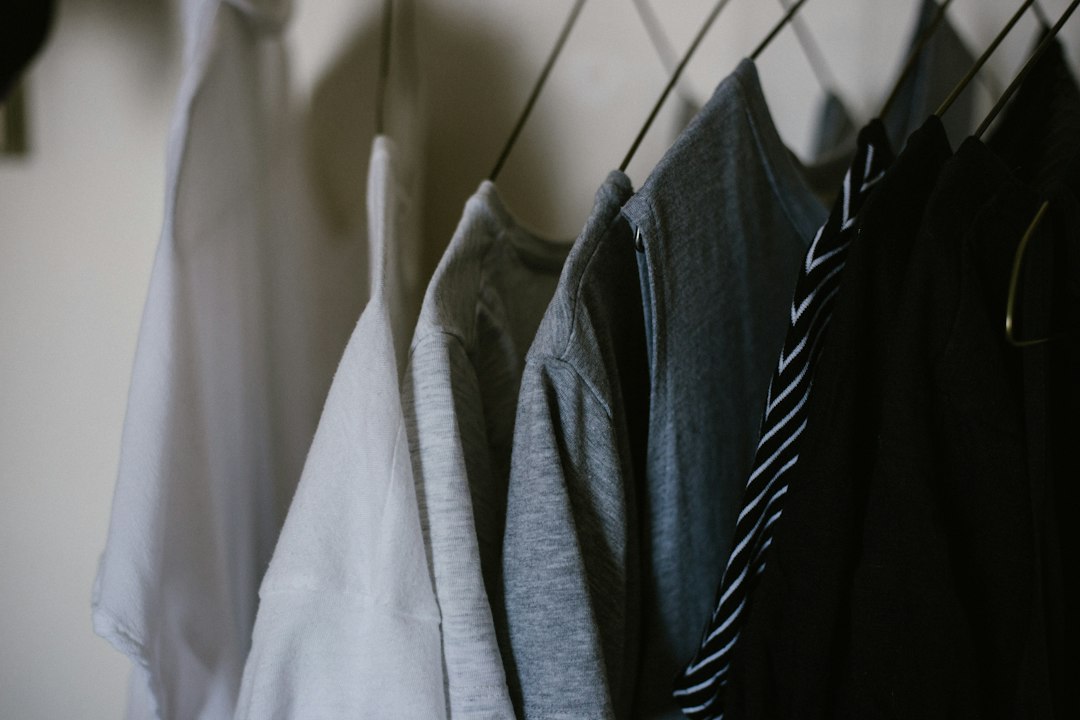
A capsule wardrobe is a tightly edited set of clothes you love to wear and can easily mix and match. It is not about owning the fewest garments possible or following a strict uniform. It’s about owning the right garments: pieces that suit your climate, daily routine, and personal taste and that play well with each other. When done well, your capsule helps you make fewer but better decisions. The variables shrink, your outfits come together faster, and your energy goes into where you’re headed—not into a closet debate.
Variety still fits inside a capsule. You can have texture, print, or a couple of playful colors as long as they connect to the rest. For example, a printed skirt should pair with at least three tops; a pair of ankle boots should work with jeans and dresses; a soft blazer should upgrade denim and also anchor meeting days. Harmony is the point. Each piece earns its place by how often you reach for it and how many combinations it supports.
A capsule is also not a one-time purge. Most people build a strong base and then rotate a few seasonal items two to four times a year. The system is living, not frozen. You can shift toward linen and sandals in summer, or toward heavier knits and a warm coat in winter, while the foundation stays steady. The result is consistency without boredom and choice without overwhelm.
Finally, a capsule doesn’t remove fun. It focuses it. When you add something playful—metallic flats, a cherry cardigan, a striped scarf—it sparks several outfits instead of getting stuck in a one-look corner of the closet. With that mindset, building the capsule feels less like restriction and more like editing a high-performing team.
capsule wardrobe checklist: the core pieces you actually wear
Start with the backbone. These categories cover most people’s lives, from commute to coffee runs to dinner plans. Use them as a template and adjust the numbers for your climate and lifestyle. The goal is a lean group of workhorse pieces that earn frequent wear.
- Tees (2–4): one light neutral (white/cream), one dark neutral (black/navy), and one accent color or stripe
- Elevated tops (1–2): silk or satin blouse, knit polo, or crisp poplin shirt
- Lightweight sweater (1): fine-gauge crewneck or cardigan for layering
- Heavier knit (1): merino or cashmere for colder months
- Jeans (2): one straight or slim, one wide or relaxed
- Trousers (1–2): tailored, full-length or ankle, in a best neutral
- Day dress or jumpsuit (1–2): easy, throw-on pieces that work with sneakers or flats
- Blazer (1): soft-shoulder or classic, unlined if you run warm
- Light jacket (1): trench, utility jacket, or denim jacket
- Coat (1): wool blend or puffer, depending on climate
- Sneakers (1): white or neutral, low profile
- Loafers or flats (1): for office days and dinners
- Ankle boots (1): choose a shaft height that meets your hems
- Sandals or low heels (1): for warm weather and events
- Tote (1) and small crossbody (1): daily carry and hands-free days
That mix covers a standard week without washing or last-minute purchases. If you work in a formal environment, add a second pair of trousers, a second blazer, and a second elevated top. If you work from home, bias the capsule toward knits and relaxed trousers that still look polished with structured shoes and a real bag.
Use a simple rule while editing: the “keep-for-three-outfits” test. If a piece can’t immediately pair into three combinations using only items already in your capsule, it’s probably a soloist—great on a mood board but not in your daily rotation. Soloists can live in a small “play” section; keep the capsule for the orchestra that plays together every day.
Seasonal Layers and Textures That Add Depth
Texture is the secret to making a small wardrobe feel abundant. A ribbed knit under a blazer adds dimension without color. A quilted liner under a trench brings warmth and a subtle sheen. Linen and poplin both come in white, but they feel different in a way your eye notices. When your pieces share a color language, texture is the melody that keeps your outfits interesting.
For outer layers, choose a small roster that suits your calendar:
- Rain-ready layer: trench or lightweight waterproof shell
- Wind-resistant layer: utility jacket or bomber
- Warmth layer: wool coat, puffer, or insulated parka
In hot summers, a gauzy overshirt, linen blazer, or light vest gives structure without bulk. In cold winters, base layers and a quality scarf stretch your comfort range by weeks. Shoulder seasons thrive on a half-zip knit or cardigan paired with a trench: worn together they read polished; split them up and you get two distinct moods.
Let one textured item lead per outfit: a bouclé cardigan with smooth trousers; a silk blouse with denim; a quilted jacket over a clean knit dress. The contrast reads styled. You don’t need more items; you need smarter pairings. Over time, you’ll learn which textures love each other in your closet, and your eye will reach for them automatically.
Shoes That Do the Heavy Lifting
Shoes change the message of your clothes faster than anything else. The same jeans send a different signal with a lean sneaker versus a glossy loafer. Because of that leverage, you can cover most occasions with three or four well-chosen pairs.
- Minimal sneakers: choose a low profile that tucks under wide hems and balances dresses; leather or canvas depending on climate
- Loafers or ballet flats: a quiet step up for office, dinners, and travel days when you want polish without a heel
- Ankle boots: structure and height; match shaft height to your hemlines for smooth transitions
- Strappy sandals or low block heels: for events and warm evenings
Pay attention to toe shape and heel height relative to your silhouettes. An almond or slightly squared toe lengthens a straight-leg trouser nicely. A rounder toe can soften structured outfits. For all-day wear, look for leather-lined insoles and genuine rubber outsoles for breathability and cushioning. Consider the color echo rule: if your bag and shoes speak to each other—both black, both oxblood, both tan—the outfit often feels finished even with simple clothes.
A small shoe care routine multiplies longevity. Rotate pairs so each can rest a day; add thin insoles for comfort; store boots with supports to maintain shape; brush suede with a soft brush. Those habits keep your shoes looking fresh and extend their miles without special gear.
Bags, Belts, and Jewelry That Look Intentional
Accessories are where a capsule goes from functional to intentional. A belt defines the waist on a knit dress and “finishes” denim with a tee. A structured crossbody smartens a weekend look; a roomy tote carries a laptop or groceries without drama. Jewelry adds personality: slim hoops, sculptural studs, a single chain, or a signet ring. Minimal doesn’t mean bare; it means selected.
Choose metals that flatter your undertone and repeat them often. Mixing metals can be beautiful, but consistency makes your small collection feel coherent. If you rotate two bags—a tote and a small crossbody—in a neutral that echoes your shoes, your outfits pick up a through line. If you love color, a third bag in your primary accent (cobalt, oxblood, olive) can be the switch that energizes neutrals.
Belts should match the width of your belt loops and repeat a finish you already own in jewelry or hardware. That echo is what reads intentional to the eye. For jewelry, limit sets that only work together; aim for pieces that layer across outfits. One signature—pearl studs, a gold huggie, or a simple signet—anchors daily looks and reduces decision fatigue.
Color Strategy: Neutrals, Accents, and a Palette You’ll Use
Color is the binding agent of a capsule. Even if you love variety, choosing a tight palette gives you friction-free outfit building. Most people do well with two to three core neutrals—black, navy, charcoal, stone, khaki, cream—and one or two accent colors that feel like you: muted berry, olive, cornflower, oxblood, terracotta, or soft blush.
Build from your most-worn pieces. If your favorite trousers are navy, let navy be a core neutral and choose tops and layers that play well: cream, white, soft grey, and a color you love. When you add a new piece, ask where it lives in the palette. If it doesn’t “speak the language” of your other items, it will cause outfit friction.
Prints can live in a capsule, but keep them grounded in your palette. A striped tee that repeats your neutrals, a floral dress in your accent color, or a subtle check blazer in grey and black will prove surprisingly versatile. For bolder tastes, cluster color: choose two accents, repeat them across a knit, a scarf, and a shoe, and let repetition make the look cohesive. If you’re uncertain about how your palette works together, lay pieces on a bed by color family and snap a photo; you’ll instantly see gaps, near-duplicates, and the tones that tie it all together.
Fit, Tailoring, and Fabric Quality
Even the smartest checklist fails if the clothes don’t fit. Focus on the simple touchpoints that matter most: shoulder seams resting at the edge of your shoulder; trousers skimming the top of your shoes; waistbands that sit comfortably without digging; sleeves that land near the wrist bone. If you’re between sizes, choose the larger and have a tailor shape it—taking in fabric is easier than letting it out.
Three small alterations turn ready-to-wear into “looks made for me” without excessive cost:
- Hem length: jeans and trousers hung at the right break change your silhouette instantly
- Sleeve length: a blazer or shirt hem that hits just right reads deliberate
- Waist nip: a subtle shape at the waist on trousers or skirts removes gaping and improves comfort
Fabric determines longevity and comfort. Natural fibers (wool, cotton, linen, silk) breathe and age gracefully. Blends can be excellent when they add strength, comfort, or wrinkle resistance. Touch-test for density and recovery: a tee that snaps back after a gentle stretch or denim that holds shape through the day will always feel better. If you didn’t intend sheerness, look for linings or tighter weaves to avoid styling stress later.
Check small construction details as if you’re buying a tool, not a trinket: seam finishes that won’t fray, buttons that feel secure, zippers that glide, and pocket placement that doesn’t distort lines. The quieter and smaller the wardrobe, the more these details matter because you’ll wear each piece many times. A few excellent items plus thoughtful tailoring beats a closet full of almost-right clothes.
Budget, Smart Shopping, and Sustainable Choices
A capsule can be built at any price point. The key is allocating your budget to the items you wear most and relying on care and tailoring to stretch value. If denim is your daily driver, invest there. If your role is office-leaning, let trousers, a blazer, and shoes hold more of the budget. Approaching your closet like a project helps; treat purchases as parts to complete a system rather than isolated splurges.
Practical shopping habits make a huge difference:
- Shop with a list: keep a running note of gaps discovered while getting dressed
- Try one-in, one-out for overbought categories (e.g., tees): it keeps volume in check
- Buy repeats of proven winners: when your favorite tee or trouser cut goes on sale in your palette, duplicate
- Pause on novelty buys: before purchasing a trend item on discount, build three outfits using your current pieces
- Explore secondhand: blazers, denim, and outerwear often deliver higher-grade materials for less
Sustainability thrives on durability and frequency of wear. Choosing pieces you’ll happily wear often is a meaningful step, and caring for them gently keeps them in rotation longer. If it helps, calculate cost-per-wear to guide choices. A blazer worn twice a week for two years costs far less per wear than a trendy piece worn twice and ignored. Your capsule rewards items that show up for you repeatedly.
Outfit Formulas You Can Repeat Without Looking Repetitive
Formulas turn your capsule into a stress-free system. They’re not rules; they’re reliable patterns that adapt to weather, schedule, and mood. Start with a few for work, weekend, and evenings, then riff with texture, color, and accessories.
- Weekday polish: blazer + knit top + tailored trouser + loafers
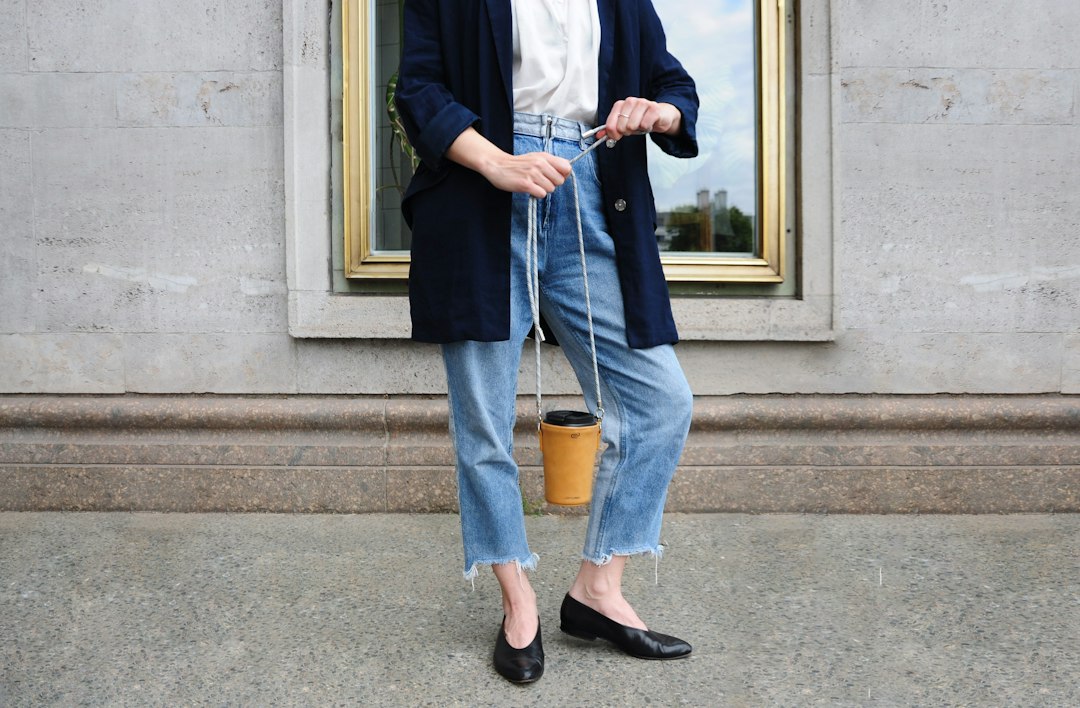
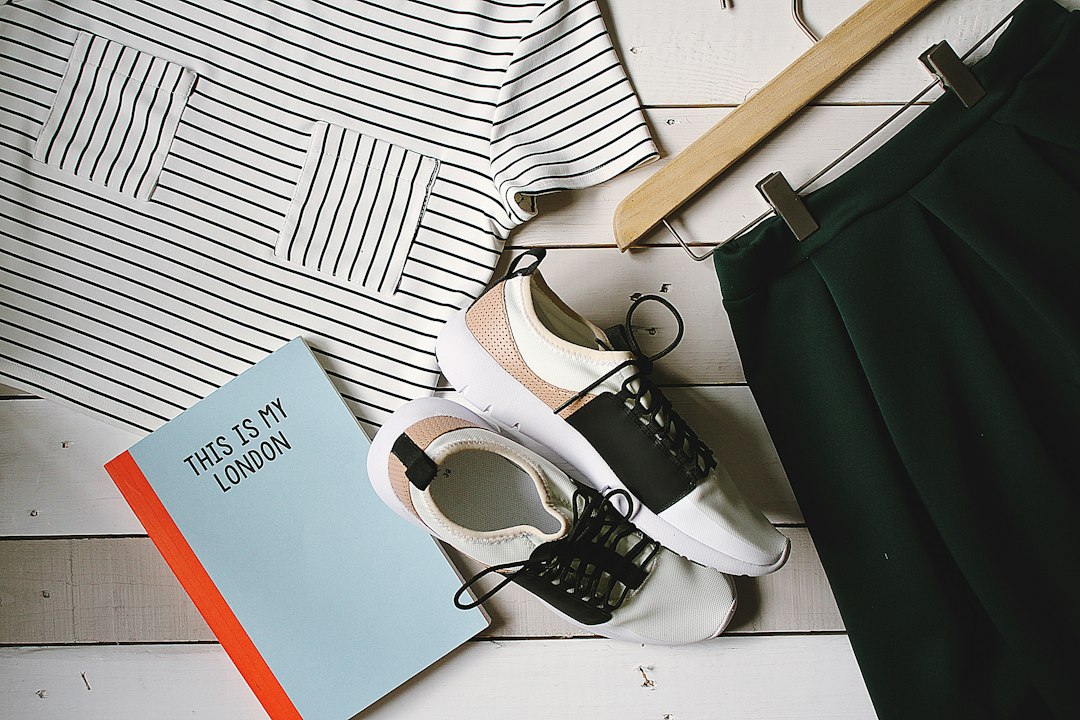
- Creative casual: striped tee + denim + trench + sneakers
- Weekend easy: knit dress + cardigan + crossbody + ballet flats
- Evening simple: silk blouse + wide-leg denim + ankle boots + pendant earrings
Within each formula, swap details. Trade a knit polo for a tee, suede for smooth leather, a caramel belt for a black one, a delicate chain for a hoop. The silhouette remains familiar; the details keep it fresh. If you like structure, save photos of outfits you loved wearing in a folder on your phone, organized by mode (work, weekend, event). On busy mornings, scroll and copy. That small system turns yesterday’s good decisions into today’s saved time.
A 10-day outfit plan you can customize
Use this plan to see how few pieces create many looks. Adjust to your palette and calendar.
- Day 1: Straight jeans + striped tee + trench + sneakers
- Day 2: Trouser + knit polo + blazer + loafers
- Day 3: Knit dress + cardigan + ballet flats
- Day 4: Wide-leg denim + silk blouse + ankle boots
- Day 5: Trouser + tee + cardigan + loafers
- Day 6: Day dress + denim jacket + sneakers
- Day 7: Relaxed jeans + poplin shirt + trench + ballet flats
- Day 8: Trouser + rib knit + blazer + ankle boots
- Day 9: Wide-leg denim + tee + utility jacket + sneakers
- Day 10: Knit dress + blazer + low heels
Notice the repetition: the same trouser appears three times with different tops and shoes; the blazer works with denim and dresses; the trench lifts casual looks. Repetition isn’t boring—it becomes your signature when the palette and shapes align.
Care, Storage, and Simple Maintenance Routines
Your clothes work harder in a capsule, so gentle care pays off. Wash knits inside out in cool water with a delicate detergent and lay them flat to dry. Hang structured items on wide hangers that support shoulders. Steam rather than iron when possible; it’s faster and kinder to fibers. Treat delicates with a wash bag to reduce abrasion and keep small items from stretching out.
Handle small issues quickly. Spot clean at the moment of a spill. Keep a handheld fabric shaver for sweater pills and a soft brush for removing surface dust on wool and suede. Refresh leather with a conditioner seasonally. If you live in a humid climate, use breathable garment bags and cedar blocks to keep fabrics fresh, and let shoes air out between wears.
Store off-season items clean and fully dry in breathable bins or bags. Label them to make seasonal swaps quick. When you can flip the closet in under an hour, you’ll actually do it—and your capsule will stay synced to your weather and schedule. A little maintenance and a simple rotation plan are the difference between clothes that look tired and clothes that look loved.
Adaptations for Climate, Dress Codes, and Life Changes
Capsules are personal. The checklist gives you a foundation, but your life shapes the details. Adjust the categories and counts until the system mirrors your reality.
- Hot and humid climates: lean into linen, cotton, and airy viscose; favor breathable linings and looser fits; pick sandals and woven leather shoes that circulate air
- Cold climates: prioritize insulating layers, thermals, lined trousers, and a serious coat; knit accessories do heavy lifting; choose boots that meet your hemlines to block drafts
- Formal workplaces: add a second blazer, extra trouser, and a second elevated top; keep prints subtle and grounded in your palette
- Creative casual offices: keep a strong denim pair, a relaxed trouser, and a blazer; let one accent color show up in knits and shoes
- Parenting and caretaking seasons: bias the capsule toward machine-washable fabrics, wipeable shoes, and a durable crossbody that leaves hands free
- Travel-heavy months: create a mini-capsule inside your capsule with a tight color palette; prioritize wrinkle-resistant fabrics and a shoe trio that covers walking, dinner, and downtime
Life changes—new role, new city, new schedule—are prime times to recalibrate. Do a quick closet audit: list what you wore most and least over the last month; confirm that your palette still feels right; identify what you reach for and don’t own; and decide which two purchases would solve the most outfit bottlenecks. That small audit keeps the capsule honest and responsive.
Troubleshooting: Common Capsule Roadblocks and Fixes
Even strong capsules hit friction. These are the usual snags and practical ways to move past them without adding chaos.
- Too many near-duplicates: four similar black tees spread out wear and dilute attention; keep the two best-fitting and release the rest
- Orphan pieces: a beautiful skirt that matches nothing needs three outfits built around it; if it still resists, it may want a new home
- Palette drift: if off-palette items keep sneaking in, save a photo cheat sheet of your neutrals and accents; check it before buying
- Wrong shoe balance: if dressy shoes sit unworn, add a refined sneaker or a loafer to bridge casual and polished looks
- Fit fatigue: when nothing feels right, schedule a micro-tailoring session for hems, sleeves, and waists—small tweaks refresh the whole system
- Laundry bottlenecks: if your two most-worn items are always in the hamper, duplicates might be the sustainable choice; a second tee or trouser in the same cut keeps the capsule running
- Decision fog: if mornings stall, lean into formulas and outfit photos; use them as prompts until the habit returns
If you’re still stuck, take a one-week challenge: dress only from your capsule and shoot a quick mirror photo daily. At week’s end, scan the photos for patterns. You’ll see which silhouettes you favor and which items deserve a swap. The point isn’t perfection; it’s a system that supports your life as it evolves.
With a focused set of pieces, a clear palette, and a handful of repeatable outfit formulas, getting dressed becomes one of the most predictable, pleasant parts of your day. That’s the quiet win a capsule delivers: less noise, more you.