Here’s the quick answer to the search “queen mary debuted historic jewelry at recent new year galas”: at Denmark’s recent New Year state events, Queen Mary spotlighted two notable historic pieces — a Diamond Bandeau Tiara created from an antique diamond necklace and, at the 2026 New Year reception, a 175-year-old pearl-and-diamond bracelet reported to feature about 50 pearls and 128 diamonds. Together they underscore her move toward reworking heritage jewels for state festivities while adhering to the New Year dress code of full court formal with tiara.
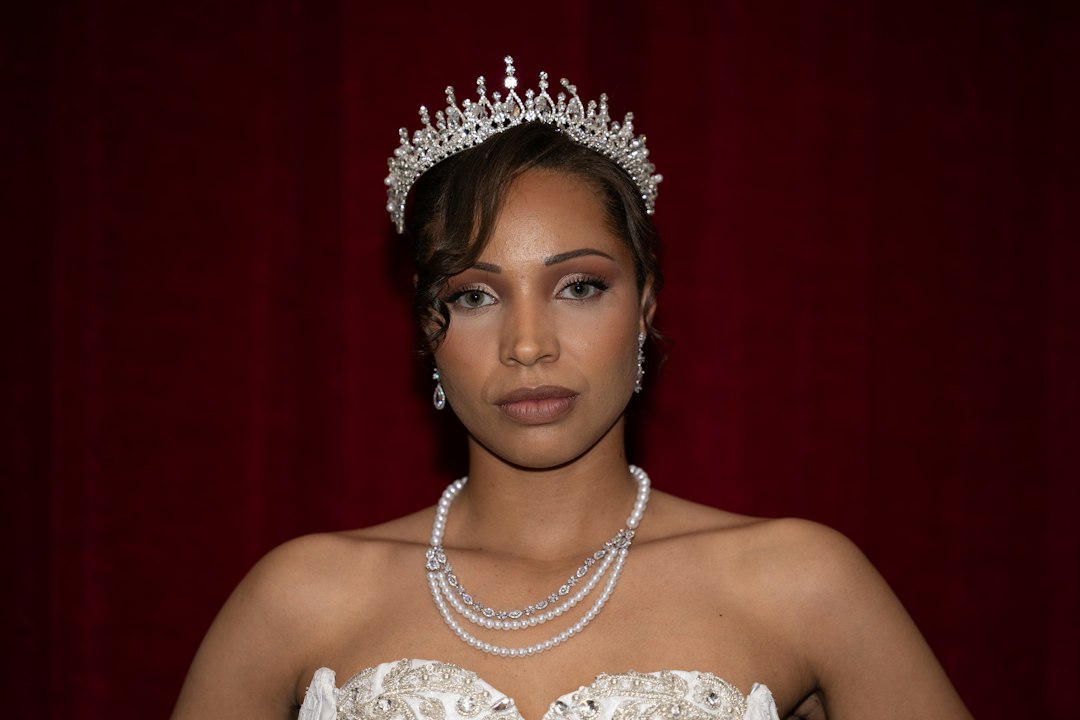
If you want to know what to look for in photos, the Diamond Bandeau sits low and horizontal across the head, unlike the taller, leaf-motif Ruby Parure Tiara she often wore as Crown Princess; the bracelet is a slim, multi-row piece set with old-cut diamonds and round pearls. You’ll find official imagery released around January 1 (the gala dinner at Christiansborg Palace) and further early-January receptions on the Danish Royal House’s site (Kongehuset.dk) under News/Calendar, plus coverage at photo agencies.
queen mary debuted historic jewelry at recent new year galas — full breakdown
Denmark’s New Year slate traditionally opens with the January 1 gala dinner at Christiansborg Palace in Copenhagen, followed by receptions in the first week of January. These are white-tie court occasions with sashes and orders, and they are among the few modern events that still call for a tiara. In this formal frame, Queen Mary’s recent choices have been both historically aware and visually streamlined.
On January 1, she wore the Diamond Bandeau Tiara — a piece fashioned from an antique diamond necklace, mounted as a sleek bandeau. For early-January receptions, she kept the diamond theme and, in 2026, added a 175-year-old pearl-and-diamond bracelet that drew attention for its age and traditional craftsmanship (widely reported at roughly 50 pearls and 128 diamonds). The message reads clearly: stay within Denmark’s ceremonial dress code but modernize the profile with repurposed heritage.
The pieces in focus: Diamond Bandeau Tiara and the 175-year-old bracelet
Diamond Bandeau Tiara
Origin and design: The Diamond Bandeau Tiara is a conversion from an antique diamond rivière-style necklace. Jewelers have set the necklace on a narrow, flexible frame so it sits low and horizontally across the hairline. The diamonds are old European or old mine-style cuts — typical of late-19th- and early-20th-century pieces — giving a softer, candlelit sparkle compared to modern brilliant cuts. The overall effect is minimal height, clean line, and a contemporary silhouette that still reads as court-appropriate.
How it differs from Mary’s earlier go-to tiaras: As Crown Princess, Mary often headlined the Danish Ruby Parure Tiara for New Year occasions. That tiara is taller, with leaf clusters and bright rubies that echo the order sash and star. The Diamond Bandeau, by contrast, is colorless and linear, creating a quieter, more modern outline. It also differs from Mary’s wedding tiara, the Khedive of Egypt Tiara, which is an airy, open scroll pattern with a modest center rise and a more overtly romantic feel.
Why a necklace-to-tiara conversion works here: Bandeaux are versatile because they follow the head’s curve and can be worn lower than traditional diadems. Converting an antique necklace keeps heritage intact while adapting it to today’s styling. It also supports sustainability — reusing a historic jewel rather than commissioning a new, resource-intensive piece — and allows different lengths or segments to be remounted depending on hairstyle and head size. The result is a refined profile that photographs cleanly in both candlelit banqueting halls and daylight receptions.
The 175-year-old pearl-and-diamond bracelet
First New Year outing: The bracelet’s early-January 2026 appearance stood out because of its age and craft pedigree. Reported details list approximately 50 pearls and 128 diamonds, arranged in slender rows that emphasize movement at the wrist. While the precise provenance category has not been publicly detailed, its age and construction point to an heirloom-caliber jewel rather than a contemporary commission, consistent with the Queen’s recent preference for heritage adornment at state events.
Why this counts as a “debut”: New Year galas and receptions are high-visibility court fixtures in the Danish calendar. Debuting a heritage bracelet at these specific events, and pairing it with a minimalist diamond tiara, sets a tone for the reign: heritage refreshed, symbolism intact, silhouettes streamlined. Pearls — associated with formality and restraint — also complement Denmark’s restrained court style and blend easily with the insignia and sashes worn on the night.
Symbolism and continuity: Together, the Bandeau and the bracelet suggest a jewelry strategy built on reuse, responsible craftsmanship, and visual continuity with Danish tradition. Diamonds read as neutral and stately in photographs; pearls add softness. This balance supports a new Queen’s emphasis on continuity with a modern touch, rather than theatrical height or color contrast.
Timeline and comparison: Mary’s New Year jewels, 2023–2026
The table below summarizes what Queen Mary wore across the last several New Year cycles. Years are grouped by the January 1 gala and the follow-on receptions held in early January. Gown descriptions are descriptive, not brand claims, to help you match photos quickly.
| Year | Date | Event | Venue | Headpiece/Tiara | Other Key Jewels | Provenance | Approx. Age | Outfit (color/silhouette) | Where to See Photos |
|---|---|---|---|---|---|---|---|---|---|
| 2023 | Jan 1 | New Year’s Gala Dinner | Christiansborg Palace | Danish Ruby Parure Tiara | Ruby earrings, ruby necklace/brooch from the parure | Family heirloom (not Crown Jewels) | c. 19th century origins | Structured gown, rich tone to complement rubies | Kongehuset.dk (News/Calendar) |
| 2024 | Jan 1 | New Year’s Gala Dinner | Christiansborg Palace | Ruby Parure Tiara (noted continuity) | Parure elements coordinated with orders | Family heirloom (not Crown Jewels) | 19th century | Classic court dress in deep jewel tone | Kongehuset.dk; main photo agencies |
| 2025 | Jan 1 | New Year’s Gala Dinner | Christiansborg Palace | Diamond Bandeau Tiara (converted necklace) | Diamond drop earrings; diamond order star highlights | Likely family/personal; necklace conversion | late 19th–early 20th century base necklace | Neutral-toned, tailored gown emphasizing clean tiara line | Kongehuset.dk; agency galleries |
| 2025 | Early Jan | New Year Reception | Christiansborg Palace | Diamond Bandeau Tiara | Diamond bracelets; understated brooch | Family/personal | historic necklace base | Daylight-friendly ensemble with sash and orders | Kongehuset.dk; agency galleries |
| 2026 | Jan 1 | New Year’s Gala Dinner | Christiansborg Palace | Diamond Bandeau Tiara | Diamond earrings; minimal brooch | Family/personal conversion | historic necklace base | Ivory/neutral structured gown; low tiara placement | Kongehuset.dk (News/Calendar) |
| 2026 | Early Jan | New Year Reception | Christiansborg Palace | Diamond Bandeau Tiara | 175-year-old pearl-and-diamond bracelet (c. 50 pearls, 128 diamonds reported) | Heirloom/personal category (publicly unspecified) | c. mid-19th century | Daytime-appropriate gown; sleeves that frame a slim bracelet | Kongehuset.dk; news wires |
Note on sources: The Danish Royal House’s official site posts galleries and news items around these events. For broader angles or additional close-ups, photo agencies frequently publish sets on the same day as the gala and receptions.
Spot-the-jewel checklist: telling the Bandeau from other Danish tiaras
- Bandeau height on head: the Diamond Bandeau sits low and horizontal; the Ruby Parure stands taller with a cresting line.
- Presence of colored stones: the Ruby Parure shows obvious red rubies; the Bandeau is all white diamonds.
- Center peak shape vs. straight band: the Khedive of Egypt Tiara has a gentle center rise and lace-like scrolls; the Bandeau reads as a straight band.
- Signature motifs: Ruby Parure features leaf clusters; the Bandeau shows continuous diamond line or subtle clusters from the necklace links.
- Hair parting and placement cues: a bandeau is often anchored along or just above the hairline; the Ruby Parure typically sits higher on a structured updo.
- Matching set pieces: if ruby earrings and a ruby necklace appear, you’re likely seeing the Parure; with the Bandeau, diamonds or pearls dominate.
Crown Jewels vs personal pieces: what Mary can (and can’t) wear
Denmark maintains the Rosenborg Castle Crown Jewels — crown-owned pieces reserved for the Queen’s use and worn only within Denmark. These are distinct from family heirlooms and personal jewels. Family and personal pieces can be loaned, altered, or adapted, which is how an antique diamond necklace can become a tiara without breaking the spirit of tradition. The Ruby Parure Tiara belongs in the heirloom/personal category rather than the Crown Jewels, which is why it has long appeared in New Year photos. The Diamond Bandeau likewise fits the adaptable, personally held or family-held segment.
Why this distinction matters: When you read that a tiara is a “debut,” the status of the piece helps explain the timing. Crown Jewels carry protocols and are less frequently reconfigured. Heirlooms and personal jewels allow a Queen to update mounts, tweak sizing, or change settings to fit modern hairstyles and a preference for lower, cleaner profiles. Expect future New Year appearances to continue blending these categories — formal enough for court, flexible enough for contemporary styling.
How a necklace becomes a tiara: a simple three-step explainer
- Mounting: a jeweler fabricates a lightweight metal frame to hold the necklace along a gentle arc. The frame includes discreet supports and a felt-lined band for comfort.
- Flexibility and fit: hinge points or short segments allow the piece to contour to the head. This protects the antique links and provides stability during movement.
- Security: loops or invisible clips attach to the hairstyle; small combs may be added. The result is a low-profile headpiece that reads “tiara” without adding height.
Bandeaux suit modern styling because they do not require the teased volume that tall tiaras do. They harmonize with sleek chignons, center parts, or side-swept buns, and they photograph well under both ballroom chandeliers and daylight in the reception rooms.
Outfit and styling notes: gowns, hair, and beauty that let the jewels shine
At New Year galas, gown silhouettes need structural integrity to support sashes, orders, and often a mantle or train. A bandeau loves a clean neckline — think square, bateau, or gently off-shoulder — because the visual line mirrors the headband’s geometry. Hair is typically swept back into a low bun or chignon so the bandeau can sit close to the hairline and read as intentional rather than improvised.
If you’re recreating the idea for black-tie or wedding styling, remember that the trick is harmony, not volume. A slim diamond headband pairs nicely with delicate earrings or a single bracelet. For inspiration on mixing modern stacks without overshadowing a focal piece, see our guide to stackable rings. To choose pearl tones that echo historic bracelets, explore our primer on pearls. And if your heirloom pieces come out only for big nights, bookmark our care checklist in how to keep jewelry in pristine condition.
Color story: the Ruby Parure era leaned into high-contrast red stones against dark or ivory gowns. The diamond-and-pearl palette in recent seasons supports “quiet luxury” tones and fabrics (velvet, silk faille, or structured crepe), keeping the focus on silhouette and insignia. For readers building an understated wardrobe, our piece on quiet luxury style aligns well with the aesthetics on display at these courts.
Context: who else wears what at the New Year galas?
New Year events gather senior royals and high officials, so you may see a range of jewels: Queen Margrethe has historically worn significant pieces from the Crown Jewels within Denmark; other royal women often choose family heirlooms. The visual language of the night is tradition-forward: sashes, stars, and orders layered over gowns, with tiaras anchoring the top line. Against that backdrop, Mary’s low, linear bandeau reads as both respectful and fresh.
Where to find official photos fast
On January 1 and during the following week, check the Danish Royal House’s official site (Kongehuset.dk). Navigate to News, then Calendar, and select the New Year gala and reception entries. The galleries typically include wide shots at the palace’s main stair and reception rooms, plus closer images of the Queen and the royal family. Major photo agencies also file images on the night; their captions often list the event, date, and venue, which helps you cross-check what you’re seeing.
What to watch next
Looking ahead to future New Year galas, it’s reasonable to expect the Diamond Bandeau to reappear — it fits court protocol while suiting contemporary hair and gown lines. The 175-year-old bracelet likely won’t be a one-off either; pearls pair well with daytime receptions and soft lighting. Other candidates for upcoming outings include additional diamond bracelets (possibly in matched pairs), diamond rivieres worn as necklaces, or a restrained brooch aligned with the order sash.
If you want to build your eye for symbolism and materials, pair this guide with our introduction to gemstone meanings. Spotting motifs and stones makes it easier to recognize whether a piece is a Crown Jewel, a family heirloom, or a personal jewel adapted for the night. With a little practice, you’ll be able to identify the Bandeau, the Ruby Parure, and the Khedive Tiara at a glance in any photo set.