A Capsule Wardrobe Checklist is the simplest way to turn a packed closet into a repeatable system that saves time, money, and mental energy all year long. With clear categories, realistic item counts, and outfit formulas that actually match your life in 2026, you’ll stop second-guessing and start wearing more of what you already own.
Capsule Wardrobe Checklist: Your 2026 Game Plan
Think of your capsule as a life-friendly kit: fewer, better pieces that mix almost without thinking. You’re not aiming for ascetic minimalism; you’re building a reliable core that flexes for work, weekends, social plans, travel, and weather. What turns this from theory into practice is the checklist: an agreed-on set of roles that every piece must play and simple tests that each new item has to pass before it earns hanger space.
This plan works best when it’s personal. You’ll adjust counts for climate and culture, choose colors that flatter your skin and settings, and favor the silhouettes you genuinely wear. The guide below gives you a strong starting point and then shows you exactly how to adapt it—by lifestyle, by season, and by budget. Use it as a map you return to when a trend tempts you, when a big event pops onto the calendar, or when you open the drawer and wonder why it’s full but nothing feels right.
Two quick notes before you dive in. First, the capsule approach is not about rules for rules’ sake; it’s a filter to keep your style consistent in practice. Second, the best capsules grow more useful over time. The more you repeat the items that perform, the faster you’ll dress and the better you’ll understand your personal uniform—the repeatable combinations that make you feel like you, even on a hectic morning.
Capsule Wardrobe Checklist: The Core 30
Start with a versatile template. These numbers aren’t sacred; they’re a balanced baseline that you can scale up or down by category once you assess your real needs.
- 8 tops: 4 everyday (better tees or knits), 2 elevated (button-down or silk), 2 seasonal accents (striped tee, textured knit, or color-pop blouse).
- 5 bottoms: 2 tailored trousers, 1 dark denim, 1 casual (chino or linen blend), 1 wildcard (print skirt, workwear pant, or trend cut you’ll actually wear).
- 3 layers: A relaxed blazer or chore jacket, a midweight cardigan or zip knit, a weather-appropriate coat or trench.
- 2 one-pieces: One day-to-night dress or sleek jumpsuit; one easy dress or knit tank dress for weekend.
- 3 shoes: Clean sneakers, refined flats/loafers, ankle boots or heeled sandals depending on climate.
- 2 bags: One medium crossbody or tote; one small evening/event bag.
- 4 accessories: A belt that fits your most-worn rise, simple jewelry you repeat, a watch or cuff, and a scarf or cap.
- 3 personality pieces: Where your signature shows up—metallic shoe, patterned skirt, standout knit, or sculptural earring.
Use three quick checks to keep this tight. First, each top should tuck cleanly into at least one bottom and layer smoothly under at least one jacket or knit. Second, every bottom should work with two tops and two shoe types. Third, each shoe should pass your own full-day test: if it’s not genuinely wearable from morning to evening, it’s a photo prop, not a capsule shoe.
How to apply the list day to day
Audit what you already own against these categories. Tag items in your phone or notes app as core, seasonal, or wildcard. If a category is overstuffed, put your least-worn pieces on probation for two weeks and see if you reach for them. If a category has gaps, write down exactly which outfits the missing item would unlock—if you can’t list three, you don’t need it yet.
Color Strategy: Pick Two Neutrals and Two Accents
The fastest path to effortless mixing is a two-neutrals-plus-two-accents palette. Choose one dark neutral (navy, charcoal, espresso, deep olive) and one light neutral (ivory, stone, sand). Then pick two accents that feel like you and work across seasons: perhaps mineral blue and soft paprika; or forest green and blush; or oxblood and pale peach. This gives you a high rate of mix-and-match without a restrictive uniform vibe.
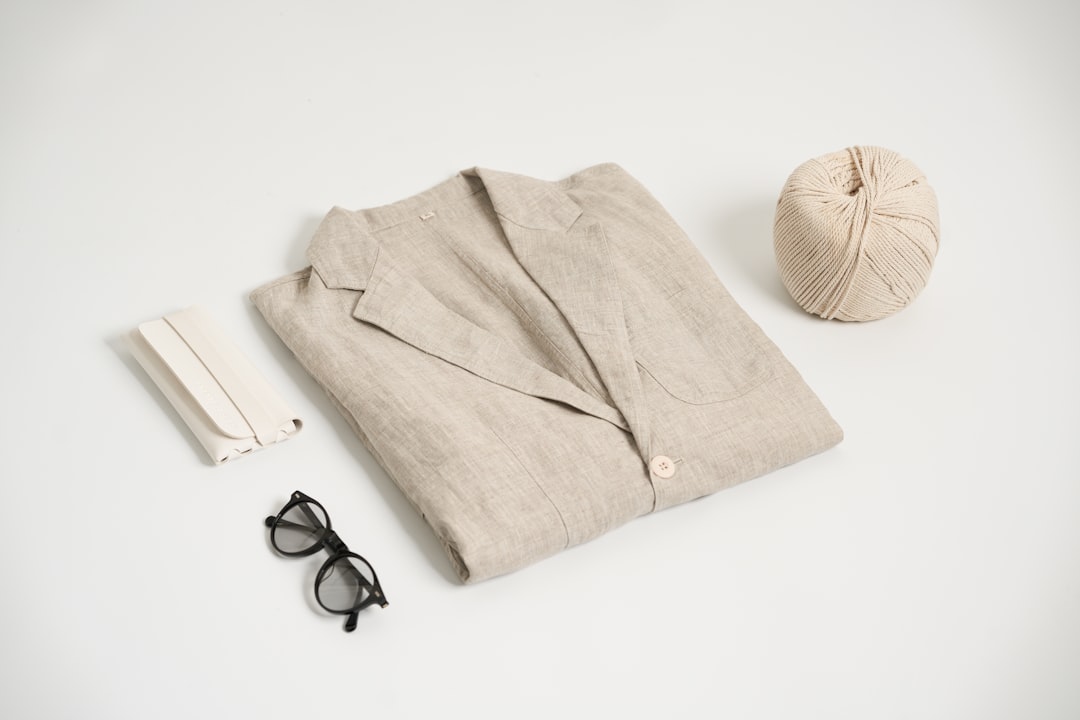
Test your picks by flat-laying five items—a top, a bottom, a layer, a shoe, and a bag. Do they look harmonious together on the floor, even if they’re not the exact outfit you’d wear? If not, adjust the accent shade or swap the dark neutral. Many people find that off-white, camel, olive, and navy create a more forgiving base than stark black-and-white, which can be too high-contrast for indoor light and everyday settings.
Put your accents to work all year. A dusty blue knit pairs with a navy coat in winter and a striped tee in spring. Paprika shows up as a skirt or cardigan in fall, then as a scarf or sandal accent in summer. When accents travel between weather and occasions, you’ll buy less “seasonal filler” and still feel fresh.
How many accent pieces do you need?
Two to four total is plenty for a 30-piece core, especially if one is a knit and one is a bottom or dress. If you live somewhere with sharp seasons, keep your accent count steady but rotate fabric weight—linen for summer, merino for winter—so the color story remains consistent even as textures change.
Fabric and Quality: What Holds Up and What Doesn’t
Fabric choice determines how comfortable your capsule feels and how long it lasts. Aim for materials that match your climate and your care routine, and learn quick quality tells you can use both in-store and online.
- Cotton jersey and woven cotton: Breathable, dependable, and easy to wash. Look for heavier tees that don’t twist after washing and tightly woven poplins or twills for shirts.
- Linen and linen blends: Airy and strong with relaxed creasing. Cotton- or lyocell-blend linen drapes beautifully and creases slightly less; ideal for hot or humid summers.
- Wool (merino, lambswool, responsible blends): Temperature-flexible, especially in fine gauges for layering. Check for softness and recovery; a knit that bounces back after a gentle stretch will likely hold its shape.
- Silk and washable silk blends: Fluid drape that elevates denim and tailoring. Favor fabrics with an even sheen and secure seams; washable options extend everyday wear.
- Viscose and lyocell: Soft and fluid with a modern hand-feel. Prioritize medium-to-heavy weights to reduce cling; inspect for neat stitching and balanced hems.
- Stretch content: 1–3 percent elastane in trousers or knits boosts comfort without excessive bagging.
Quality spot checks take seconds. Rub fabric lightly to see if it pills immediately; tug gently at side seams to assess reinforcement; flip the garment inside out to inspect finishing and thread density. Buttons should be cross-stitched or anchored; zippers should glide freely without catching. Online, zoom into product images to assess weave, read fiber content carefully, and look for care instructions beyond “dry clean only” if you prefer home-wash routines.
Match fabric to lifestyle. If you commute on foot, choose sturdy twill trousers and weather-ready leather or vegan leather for shoes. If you’re mostly indoors, elevated knits and washable silks may become your daily heroes. The right fabric reduces friction: fewer creases to steam, fewer surprise stains, and fewer fussy care steps. That’s the heart of a capsule—pieces that serve you, not the other way around.
Fit and Proportions: A Simple Playbook
The best capsules thrive on proportion harmony, not sameness. A few repeatable rules make most items click together:
- Pick an anchor rise: Mid to high rises are easiest to style across tops and layers. Once you pick, align belt widths and tuck habits to that rise.
- Balance volume: Pair a relaxed top with a tapered bottom, or a wide-leg trouser with a close-fitting knit. If both top and bottom are roomy, define something—waist, sleeve push, or a structured shoe—to keep the look intentional.
- Hem conversation: Cropped jackets pair cleanly with high-rise trousers and midis; longer coats look sharp over straight or wide legs. Confirm your hemlines don’t fight each other.
- Show a little wrist or ankle: That small slice of skin adds shape, especially with straight silhouettes. A rolled sleeve or ankle-length trouser can transform proportions.
- Test the shoe first: Many outfit wobblers come from footwear. Before buying a new bottom, try it with your most-worn shoes. If they don’t work together, the piece will stall.
Make photo notes of wins. When you spot a pairing that flatters—half-tucked shirt with straight trousers, cardigan over slip dress, trench over denim and tee—save a mirror photo. Patterns will emerge: your best jacket length, the cuff height that energizes you, the necklines that play well with your jewelry. Build purchases around those patterns so every new item increases the number of good outfits instead of multiplying maybes.
Outfit Formulas You’ll Reach For
Formulas are shortcuts: a few simple equations that convert your Core 30 into a month of no-fuss outfits. Keep these in your notes app for mornings when you want certainty.
- Sharp casual: Dark straight denim + crisp white shirt + relaxed blazer + loafers + belt.
- Soft structure: Midi skirt + breathable tee + cropped cardigan + ankle boots.
- Warm-weather polished: Linen trouser + silk tank + light scarf + strappy sandals.
- Creative office: Straight trouser + fine-knit sweater + trench + clean sneakers.
- Weekend uniform: Chino + striped tee + chore jacket + white sneaker.
- Evening simple: Sleek black dress + delicate necklace + compact bag + block heel.
- Color pop: Neutral base (ivory top, stone bottom) + paprika skirt or mineral blue knit + metallic shoe.
- Travel day: Stretch trouser + breathable tee + zip knit + slip-on shoe + crossbody.
- Layer play: Tank + open shirt + blazer + straight jean + ankle boot.
- Monochrome calm: Sand tee + camel trouser + tan belt + beige sneaker.
- Rain-ready: Straight dark denim + knit + trench + water-resistant boots + cap.
- Desk to dinner: Tailored trouser + silk shirt + blazer at desk; swap to heeled sandal and compact bag at night.
Two refresh tricks extend these formulas. First, swap only the shoe or the bag to change mood—sneakers to loafers, tote to compact shoulder bag. Second, lean on texture contrasts when color is simple: matte chino with a silky top, ribbed knit with smooth twill, suede with polished leather. Texture is often the difference between “fine” and “nailed it.”
Seasonal Swaps Without Rebuilding
A capsule breathes with the weather by swapping a few “season drivers” (fabric weight, sleeve length, coats, and shoes) while leaving most “season agnostics” (shirts, many trousers, blazers, bags, jewelry) in rotation. This is how you avoid the feeling that you need a whole new wardrobe as soon as the temperature shifts.
- Spring: Bring forward light cardigans and airy trousers; a scarf in your accent color carries outfits through cool mornings and mild afternoons. Loafers and clean sneakers dominate.
- Summer: Lean into sleeveless tops, linen trousers, easy dresses, and strappy sandals. Keep a light blazer or oversized shirt for AC-heavy interiors and dressier plans.
- Fall: Reintroduce deeper accents (forest, paprika, oxblood). Add ankle boots and a trench or chore jacket. Midweight knits become daily players.
- Winter: Layer merino tanks or tees under shirts and dresses; rely on longer coats; opt for weather-friendly leather or lug-sole boots. Swap silk tanks for long-sleeve knits in your accent colors.
Keep storage simple and breathable. Off-season pieces live in labeled boxes or cotton garment bags with cedar or lavender sachets. Label by category and color (“summer dresses, light neutrals”) so re-entry is easy and you don’t forget what you own. If you have limited space, rotate by half seasons: spring/summer in, fall/winter out, and vice versa.
Care, Storage, and Minor Repairs
Small habits extend the life of your capsule and keep fits consistent.
- Wash rhythm: Air knits, spot-clean shirts, and wash only when needed to preserve shape and color. A mesh bag and gentle cycle are your friends for delicate items; lay flat to dry.
- Hang vs. fold: Hang shirts, blazers, and coats on supportive hangers; fold knits and denim to reduce stretching and hanger marks.
- Space matters: Overcrowding hides favorites and creates wrinkles. Give garments an inch between hangers when possible.
- Home repair kit: Hand needle and thread, spare buttons, small scissors, seam ripper, fabric shaver, and fashion tape. Ten minutes with a needle can revive a piece you might otherwise ignore.
- Shoe care: Brush dirt after wear, insert cedar shoe trees for leather styles, and rotate pairs to let them rest. A quick wipe keeps white sneakers fresh between deeper cleans.
If humidity is part of your climate, breathable garment bags for coats and special pieces are worth it. If moths are common where you live, rely on airflow, regular refreshes, and cedar rather than strong chemicals. Most importantly, schedule care: a 30-minute laundry and repair block every other weekend beats a once-per-season marathon.
Smart Shopping: Budget, Secondhand, and Tailoring
Great capsules come from intention, not restriction. The checklist keeps you focused on roles and outfit unlocks rather than novelty alone. A few rules sharpen the difference between pieces you’ll wear fifty times and pieces you’ll wear twice.
- Three-outfit test: A new item should create at least three distinct outfits with what you own. If you can’t list them, move on or re-think the color or silhouette.
- Cost-per-wear lens: A $180 blazer worn 90 times costs $2 per wear, while a $45 top worn twice is effectively more expensive. Price matters, but usage matters more.
- Fabric-first filter: Skip anything with vague fiber content or unclear care. If you prefer home-wash pieces, look for wash instructions that align with that habit.
- Secondhand advantage: Blazers, denim, occasion dresses, and leather goods are excellent used buys. Older items often have stronger fabric and construction at friendlier prices.
- Tailor the near-miss: Hemming, taking in at the waist, or moving a button can turn a good item into your best. Budget a small tailoring fund each season.
Online shopping benefits from a waiting list. Place interesting items on a private wish list and revisit in 48 hours. If they still solve a specific gap and meet the three-outfit test, proceed. If the desire fades or your list proves you have duplicates, your capsule just saved you money and space.
Sample Capsules by Lifestyle
Everyday life shapes your capsule’s emphasis. Use these plug-in mini-kits to skew your Core 30 toward the reality of your week.
Hybrid office, on-screen and in-person: 2 button-downs (one crisp, one drapey), 2 trousers (one tailored, one relaxed), 1 blazer, 1 fine-knit sweater, 1 midi skirt, loafers, ankle boots, a sleek tote, and a compact bag. Neutrals in navy and stone, accents in mineral blue and warm tan read polished on camera and in meetings.
City weekend, museums to markets: Stripe and solid tees, indigo denim, a relaxed chino, a chore jacket, a zip knit, sneakers, and a crossbody. Add a patterned scarf and a paprika skirt as your wildcard. Swap sneakers for ankle boots to transition from daytime to dinner.
Occasion-ready, minimal fuss: A black slip dress, a silk shirt, a tailored blazer, a sleek jumpsuit, heeled sandals, a compact bag, and simple jewelry. Layer the silk shirt under the slip dress for a new texture or wear the blazer over the jumpsuit for a sharper edge.
Travel kit, carry-on friendly: Two knits (one neutral, one accent), one button-down, one tee, one dress, one tailored trouser, dark denim, a light jacket, sneakers, and flats. Keep fabrics coordinated—similar weights and a unified color palette—so everything cross-pairs. Packing cubes and a small laundry bag simplify repetition across days.
Outdoor-forward lifestyle: If your weekends involve parks and trails, skew toward sturdy twill, technical layers with clean lines, and weather-friendly boots or sneakers. Keep the color story consistent so outdoor pieces can blend into casual city outfits without looking like sports gear.
Pitfalls to Avoid—and How to Fix Them
Most capsule stalls have simple causes. Here’s how to diagnose and adjust.
- Orphans without partners: If an item looks great on its own but never makes an outfit, write the specific companion it needs. If that companion would be a one-hit wonder, consider letting the orphan go.
- Palette creep: Too many accents, not enough glue. Park extra accent pieces for a month. If you don’t miss them, sell or donate. If you do, reintroduce the ones that play nicest with your neutrals.
- All basics, no spark: A flat capsule often needs texture (ribbed knit), shine (metallic shoe or subtle jewelry), or print (stripe or check). One of each is usually enough.
- All statements, no glue: The most wearable capsules lean on a superb white shirt, a reliable trouser, and neutral shoes. Reinvest in those before you add another statement.
- New job or climate shift: Keep the framework, change the fabric and the counts. Raise your layer count if meetings are chilly; add a second dress if you’re event-heavy; trade linen for wool if winters sharpen.
Use photos for quick feedback. Take a week of mirror shots and review on Friday. You’ll see which shoes carry the day, which hemlines flatter, and which colors you love in natural light. It’s easier to let go of average when your camera roll keeps showing you what’s actually great.
Maintenance: A Seasonal Capsule Calendar
Your wardrobe works hardest when you check in lightly, not once a year. Use this 12-month cycle as a low-effort rhythm you can adapt to your climate.
- January: Mid-winter refresh. Shave pilling knits, condition boots, move a rarely worn item to visible territory for a second chance.
- February: Palette check. Do your neutrals still feel right? If you crave brightness, add a single accent accessory rather than a full garment.
- March: Spring swap. Steam light layers, test last year’s linen for fit, and list any true gaps (e.g., your sneakers are shot).
- April: Shoe audit. Rotate soles, add insoles where helpful, and confirm your main pair passes the all-day test.
- May: Heat plan. Identify two breezy outfits for very hot days so you have a ready solution, not a panic buy.
- June: Laundry tune-up. Restock delicate detergent, replace mesh bags, and retire damaged hangers.
- July: Mid-year sell/donate. Move on from the items you haven’t reached for since spring; photograph and list on resale sites while demand is high.
- August: Early fall preview. Try on coats and boots while tailors still have capacity for hems or small adjustments.
- September: Knit check. Air and de-pill, then store any summer-only pieces with clear labels.
- October: Weather seal. Confirm umbrellas, water-resistant outerwear, and warm accessories are in good condition.
- November: Holiday outfits. Pre-build two looks using your capsule plus one festive element so last-minute events feel easy.
- December: Year-end summary. Review favorite outfits, identify your real uniform, and update your checklist for the year ahead.
This micro-maintenance rhythm is the real secret: frequent small actions instead of seasonal overhauls. Your clothes stay ready, your outfits stay repeatable, and your shopping becomes precise.
Your Next Step
Copy the Core 30 categories into your notes app and tag everything in your closet as core, seasonal, or wildcard. Pick two neutrals and two accents, test them with a five-piece flat lay, and write your three-outfit test next to the next item on your wish list. If you want examples of how people are pairing tailoring with sneakers, or mixing linen with silk in a way that looks today rather than yesterday, browse Trend Life on our site. Start here: myfashionsecrets.com and explore more ideas in the Trend Life archive: Trend Life. Build slowly, remix often, and keep only what earns its hanger space.