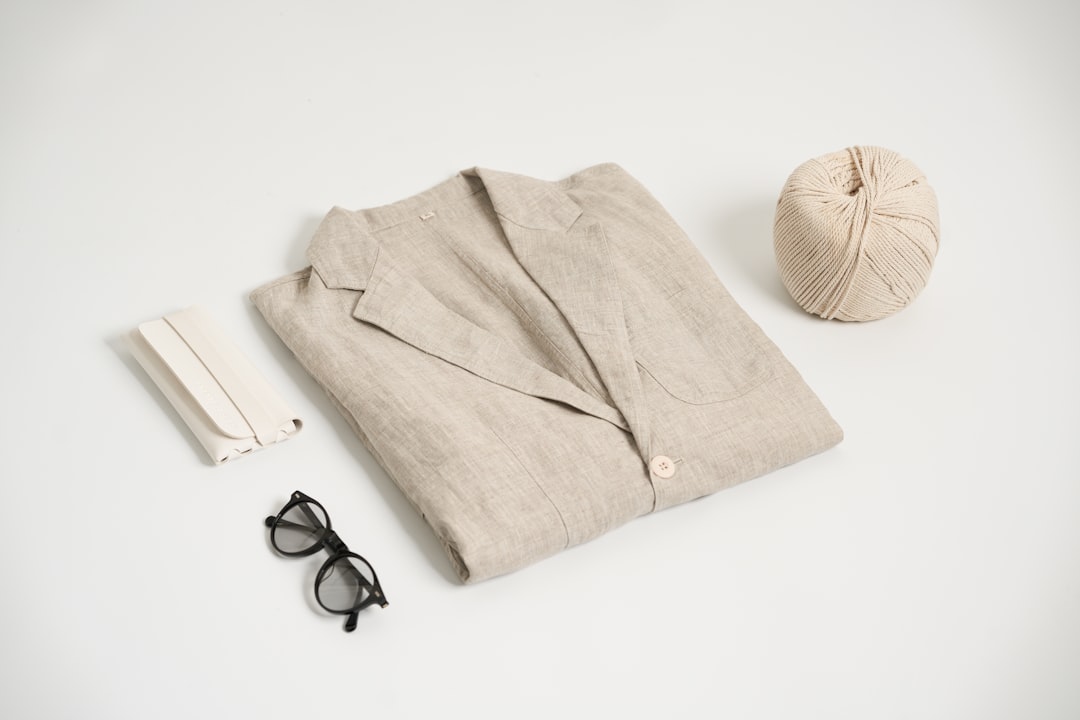
quiet luxury outfits are still everywhere, but the people wearing them well are doing something much more specific than buying beige clothes and hoping for the best. The look works when the clothes feel calm, but the details feel expensive. That means fit, fabric, proportion, and restraint matter more than labels, logos, or whatever is trending this week. If you have ever looked at a polished outfit and thought, why does this feel so much better than mine, this guide is for you.
What I love about this trend is that it is flexible. It can look sharp on a commuter, relaxed on a weekend, and refined at dinner, without turning into costume dressing. It also works across budgets when the styling is thoughtful. You do not need a closet full of designer pieces. You need a sharper eye and a better way to combine what you already own. If you want a broader wardrobe reset, the basics guide at myfashionsecrets.com/style-basics is a useful place to start.
In fashion terms, quiet luxury has become a shorthand for understatement. In real life, it is closer to editing. You remove the loudness, then upgrade the things that are left. A coat that sits properly on the shoulder. Trousers that break cleanly over a loafer. A knit that holds its shape after three wears. None of that is flashy, but all of it is visible. That is the point.
This article breaks the look down in a practical way. I will show you how to build quiet luxury outfits without making them feel stiff, how to choose fabrics that age well, how to style accessories so they do not fight the clothes, and how to keep the whole thing looking intentional instead of expensive-for-the-sake-of-it.
What quiet luxury outfits really mean now
The phrase started as a style label, then turned into a cultural cue. People use it to describe expensive-looking clothes that do not announce themselves. That is why the look can be misunderstood so easily. It is not just about muted color. It is not only about avoiding logos. It is also not a secret code for rich people dressing boring.
At its best, the style is about control. The silhouette is disciplined, the palette is calm, and the styling choices are edited. You notice the drape of a blazer before you notice the blazer brand. You notice the texture of a sweater before you notice the color. You notice the way the pants lengthen the body before you notice anything else. That quietness creates confidence.
What changed over the last few seasons is that the trend became less literal. In the early wave, people copied the mood with camel coats, cream sweaters, and black sunglasses. Now the better version is more personal. Some people use navy instead of beige. Others lean into charcoal, off-white, olive, or deep brown. Some prefer fluid tailoring. Others use sharp menswear lines. The trend is stronger when it adapts to your life.
That is why I would not treat quiet luxury as a uniform. I would treat it as a set of editing rules. Keep the line clean. Keep the colors coherent. Keep the materials better than average. And keep the overall effect easy to read from a distance.
How quiet luxury outfits work in real life
The easiest way to understand quiet luxury outfits is to look at what they do, not how they are described. They create a sense of ease. They make the wearer look composed, even when the day is busy. They reduce visual noise, which lets quality details stand out. That is why the look is so effective for everyday dressing. It does not ask the eye to process too much.
In practical terms, this means an outfit usually has one strong anchor and then a few supporting pieces. A good wool coat can carry the whole look. So can a sharp pair of trousers. So can leather loafers that are polished enough to catch the light. The rest of the clothing should support that anchor rather than compete with it.
The best quiet luxury outfits also make proportion do some of the work. A slightly boxy blazer over slim trousers. A relaxed knit tucked into tailored pants. A long coat over cropped denim with clean shoes. The goal is not to look rigid. It is to look controlled without looking trapped inside the clothes.
There is also a psychological side to the appeal. When an outfit is quiet, people often fill in the blanks with their own assumptions. They assume the piece is expensive. They assume the fit is tailored. They assume you know what you are doing. That is social styling in action. The clothes are doing part of the communication for you.
The trick is to make that effect feel lived in. You want to look like the clothes belong to your life, not like you borrowed them for a photo. A soft knit worn with sharp trousers. A classic bag carried with a trench. A silk scarf tied loosely rather than arranged perfectly. Those small decisions keep the look from becoming stiff.
The fit rules that matter most
If I had to choose one thing that separates great quiet luxury outfits from average ones, it would be fit. Not brand. Not trend. Fit. A pricey coat that hangs wrong looks worse than a simple coat that sits correctly on the body. People underestimate this because fit is less obvious than a logo, but it is far more powerful.
Start with the shoulders. For jackets, blazers, and coats, the shoulder line should feel intentional. Too tight and the whole outfit looks compressed. Too loose and you lose the structure that gives quiet luxury its polish. A slight ease is fine. Sloppiness is not.
Then look at length. Trousers should either skim the shoe in a deliberate way or land short enough to look styled on purpose. Mid-length hems that hover awkwardly around the ankle often make the entire outfit feel unfinished. The same logic applies to sleeves. A little cuff showing can look elegant. A sleeve that swallows the hand usually does not.
Waist placement matters more than people think. High-rise trousers can look incredibly refined if the rise actually sits where your body wants it to sit. If you are constantly tugging at the waistband, the outfit will never feel expensive. Comfort is part of polish. You cannot look relaxed if you are distracted.
I also pay attention to drape. Some fabrics cling where they should not, while others collapse too easily. Tailored wool, heavy cotton, structured denim, and good knitwear usually hold their line better than flimsy synthetics. That does not mean synthetic fibers are always bad. It means you need to know how the fabric behaves after a few hours of wear.
A useful test is simple. Move in the clothes. Sit down. Walk up stairs. Lift your arms. Put your bag on your shoulder. If the outfit loses its shape the moment you start living in it, it is not ready. Quiet luxury is not a standing-still style.
Fabrics and textures that make the look believable
Fabric is where quiet luxury either succeeds or falls apart. The reason is simple. When you remove loud prints and obvious branding, texture becomes the thing people notice. A soft merino sweater signals something different from a thin acrylic knit. A dense wool coat feels different from a shiny polyester blend. A matte leather bag reads differently from one that reflects light too sharply.
The best fabrics for this style usually have some weight to them. Wool, cashmere blends, dense cotton poplin, silk twill, structured denim, and good leather all carry visual authority. They do not need to scream. They just need to sit well. Even in a simple color, they create depth.
Texture mixing helps too. A crisp shirt under a soft cardigan. A brushed wool coat over a smooth knit dress. Tailored pants with a slightly fuzzy sweater. The contrast creates dimension without clutter. If every piece has the same finish, the outfit can flatten out and lose interest.
There is a temptation to chase softness at all costs. That can work in some looks, but quiet luxury outfits usually benefit from one or two structural pieces. A coat, jacket, or bag with real shape gives the softer items something to play against. Otherwise, the outfit can look sleepy.
Another reason fabric matters is aging. Clothes that crease badly, pill quickly, or lose shape after a few wears will drag the outfit down. I would rather own fewer pieces that stay crisp than more pieces that need constant rescuing. That is part of the logic of dressing well over time.
When you shop, handle the item if you can. Feel the thickness. Check whether the fabric rebounds after you pinch it. Look at the seams and the lining. Those details tell you more than the hanger does. If you shop online, read reviews for comments about weight, transparency, pilling, and whether the item keeps its shape after washing.
Color palettes that feel expensive without trying too hard
Neutral does not mean lifeless. The most convincing quiet luxury outfits usually use a controlled palette with a little depth. Cream, ivory, camel, taupe, navy, charcoal, stone, chocolate, and soft olive are all reliable options. The common thread is not the exact color. It is the harmony between the colors.
One reason these palettes work is that they let the silhouette and texture do the talking. A cream knit against a camel coat. A charcoal trouser with an ivory shirt. A navy sweater with black leather accessories. The combinations feel mature because they do not fight for attention.
That said, full neutrals are not the only answer. Deep burgundy, muted forest green, dusty blue, and dark plum can all fit into the same world if they are used carefully. The key is to keep the saturation under control. A color can be rich without being loud.
I also like a tonal approach. Wearing related shades in the same outfit creates that polished, column-like effect people associate with expensive dressing. For example, cream trousers, an oatmeal knit, and a sand-colored coat can look more refined than a random mix of strong contrasts. Tonal dressing is a shortcut to visual order.
Accessories should either blend or intentionally punctuate. A bag that sits within the palette keeps the outfit smooth. A single black belt or dark loafer can sharpen the whole thing if the rest of the outfit is lighter. The mistake is scattering too many competing accents across the body.
If you struggle with color, try building around one base tone for the season. Maybe it is charcoal in winter or stone in spring. Then add one or two supporting tones. That gives your wardrobe a point of view and makes every outfit easier to assemble.
Accessories that elevate without shouting
Accessories are where a lot of people overdo quiet luxury. They either pile on too many visible pieces or choose items that are so plain they disappear completely. The sweet spot is somewhere in between. The accessory should support the outfit and sharpen the impression, not become the entire point.
For bags, shape matters more than decoration. Clean lines, good proportions, and a material that ages gracefully usually work better than trend-heavy hardware. A medium structured tote, a top-handle bag, a slim shoulder bag, or a simple crossbody can all feel right if the finish is strong.
Shoes are even more important. Shoes affect the whole read of the outfit. A clean loafer, a sleek ankle boot, a simple ballet flat, a refined sneaker, or a low heel can all fit the style. What matters is how they interact with the clothes. The shoe should finish the sentence, not start a new conversation.
Jewelry should be edited the same way. Small gold hoops, a single chain, a refined watch, or one sculptural ring can be enough. You do not need a full stack unless the rest of the outfit is extremely quiet. The more refined the clothes, the less the jewelry needs to compete.
Belts deserve a quick mention too. A belt can be a quiet luxury detail when it is the right width, the right tone, and the right finish. It can also wreck an outfit if it looks too glossy, too thin, or too decorative. When in doubt, keep it simple.
Scarves, sunglasses, and hats should follow the same principle. They are best used as finishing pieces. A silk scarf tied loosely at the neck or on a bag handle can look elegant. Oversized novelty pieces usually push the style into a different direction entirely.
Building quiet luxury outfits from pieces you already own
You do not need a complete wardrobe overhaul to start dressing this way. In fact, the smartest approach is usually to edit what you already have and identify which pieces can be upgraded over time. Quiet luxury outfits are often built from very ordinary items that have been styled with care.
Start with your best outerwear. Do you have a coat or blazer that already gives structure? Use that as the anchor. Then add a knit or shirt with a good neckline and fabric. Finish with trousers, jeans, or a skirt that creates a clean line. Once you have that skeleton, the rest becomes easier.
Here are a few reliable formulas.
One, a tailored coat over straight-leg trousers with a soft knit and loafers. This is the classic city formula and works almost everywhere. Two, a crisp shirt with wide-leg pants and a minimal leather bag. Three, a cashmere sweater with dark denim and a structured coat. Four, a knit dress with boots and a longline jacket.
The point of formulas is not to be repetitive. The point is to remove decision fatigue. When you know the basic structure works, you can spend more energy on the details. Tuck versus half-tuck. Gold versus silver. Loafer versus boot. Those are the decisions that give the outfit personality.
If you want a practical weekly system, I would build around five anchors. One coat, one blazer, two pairs of trousers, one dark denim, two sweaters, two shirts, one knit dress or skirt option, and two pairs of shoes that can handle most of your schedule. That is enough to create many combinations without chaos.
For more outfit frameworks and wardrobe planning ideas, browse myfashionsecrets.com alongside this article. The more intentional your rotation becomes, the easier it is to keep the style consistent.
How to wear the trend by setting
The cleanest way to keep quiet luxury outfits feeling modern is to adapt them to context. The same palette and tailoring logic can work for office days, coffee runs, travel, dinners, and even more relaxed events. You just change the level of structure.
For work, lean into sharper lines. A blazer, a neat shirt, pressed trousers, and polished shoes will do most of the work. If your office is more casual, a fine knit with tailored pants can still feel appropriate. Keep the bag structured if possible. That little bit of formality helps the whole outfit read as intentional.
For weekends, soften the edges. A relaxed sweater, clean denim, a good coat, and a simple shoe can feel very current. The trick is to avoid crossing into undone territory. Distressed denim, overly slouchy hoodies, and worn-out sneakers tend to pull the outfit away from the look.
Travel is where the style really earns its keep. Choose pieces that layer well and can survive long hours. A knit set, a long coat, soft trousers, or dark denim with a crisp shirt can all work. Add one structured piece so the outfit still has shape when you arrive.
For evening, increase contrast or texture rather than decoration. A satin blouse with tailored trousers. A dark knit with a polished skirt. A simple dress with a coat that has great line and weight. You do not need sparkle everywhere. You need one or two details that feel deliberate.
Even for events where people expect more drama, quiet luxury can still work. Just make the materials richer or the silhouette sharper. Think better drape, stronger tailoring, deeper color. The outfit should feel elevated, not loud.
What usually makes the look feel fake
The biggest mistake is treating quiet luxury like a costume. When that happens, the outfit starts to look copied instead of lived in. It may have the right colors and the right shapes, but it lacks the ease that makes the style believable.
Over-coordination is a common problem. If every item is the same shade, same texture, and same level of polish, the outfit can become flat. Add a little variation. Smooth with matte. Soft with structured. Light with dark. That contrast gives the look life.
Another mistake is choosing pieces that are technically minimal but not actually well made. A plain sweater with bad drape is still a bad sweater. A beige coat with thin lining is still a flimsy coat. Simplicity does not excuse poor construction.
Too many accessories can also create trouble. If the clothing is quiet, the extras need to be quieter. You do not need giant sunglasses, a stack of jewelry, a loud belt, and a statement bag all at once. Pick one detail to emphasize, then let the rest support it.
Fit errors are the fastest way to break the illusion. Sleeves too long, hems too short, pants bunching badly, shoulders collapsing, shoes that look heavy against the rest of the outfit. All of those things pull the eye in the wrong direction. A simple outfit with good fit beats a complicated outfit with bad fit every time.
Finally, there is the attitude problem. Some people wear quiet luxury as if they are trying to prove they belong in a certain room. That tension shows. The style works best when it feels settled. The clothes should look chosen, not defended.
Care, upkeep, and the long game
A polished wardrobe does not stay polished by accident. The maintenance side matters just as much as the shopping side. If you want quiet luxury outfits to look convincing month after month, you need a routine that keeps the pieces fresh and wearable.
Start by storing clothes properly. Sweaters should be folded if they are heavy enough to stretch on a hanger. Coats and blazers should have good hangers that support the shoulders. Shoes should be cleaned before dirt becomes permanent. Bags should be stuffed or stored so the shape holds.
Fabrics need attention too. Wool benefits from brushing and occasional airing. Knitwear needs de-pilling when signs of wear appear. Shirts and trousers usually look better when they are pressed or steamed before important outings. These small habits make inexpensive pieces look much better and help better pieces keep their edge.
It also helps to rotate items rather than overusing the same thing every week. When one sweater gets worn constantly, it will show. When a coat spends too many days crumpled in the back seat of a car, it loses its shape. A thoughtful rotation extends the life of the wardrobe.
If you are buying with the long game in mind, ask a few questions before you check out. Will this work with at least three pieces I already own? Does the fabric hold shape? Can I imagine wearing this next year, not just this month? If the answer is no, pause.
That is the real beauty of quiet luxury as a style idea. It rewards restraint, but it also rewards consistency. Once your wardrobe starts to align around fit, texture, and simple confidence, the outfits become easier to build and harder to overcomplicate.
And that is probably why the look keeps coming back. It is not just a trend. It is a useful way to dress when you want to look put together without turning your body into a billboard.
Closing your wardrobe around the trend
If you want to make quiet luxury outfits part of your style rather than just a passing experiment, build slowly. Choose the pieces that solve real problems in your week. Buy the coat that fixes most outerwear decisions. Replace the trousers that never fit quite right. Upgrade the shoes that make every outfit look finished. The goal is not perfection. The goal is ease.
When the wardrobe works, the style becomes almost invisible. That is what makes it strong. You get dressed faster, feel more coherent, and stop relying on random purchases to create polish. The clothes start doing the work in the background.
That is the version of the trend worth keeping. Not the copied version. Not the logo-free version for show. The version that makes your clothing quieter so your actual presence can come through.
quiet luxury outfits are at their best when they feel like a standard you return to, not a performance you have to keep up. Once that clicks, the style stops being a trend and starts becoming your default.