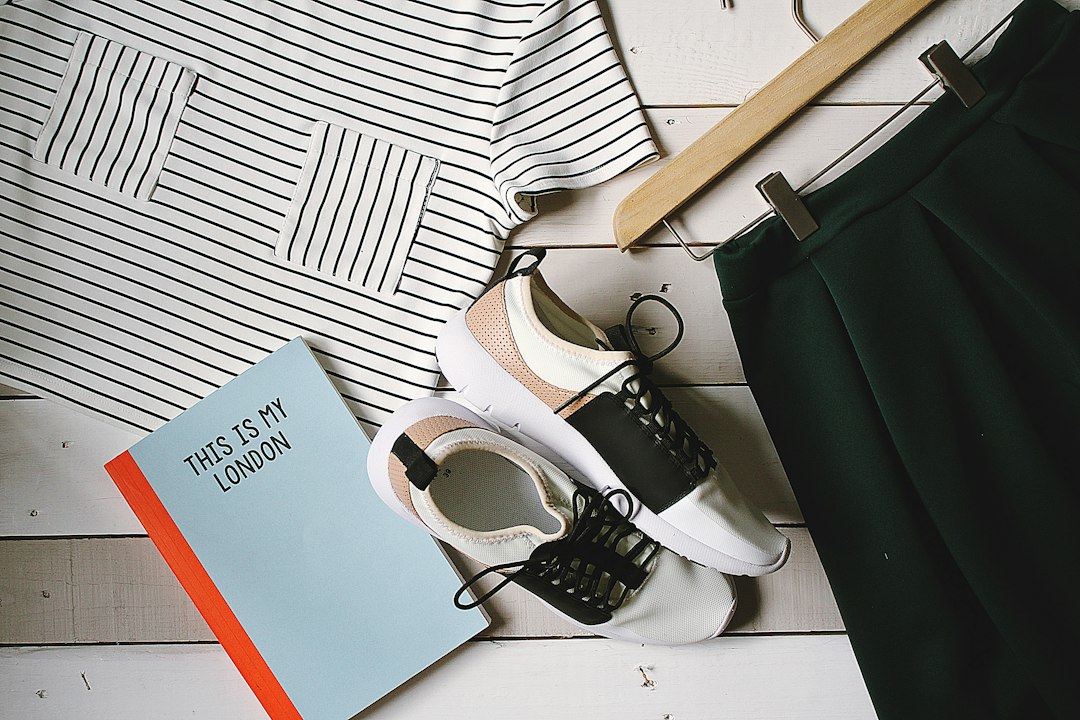
If you have ever stared at a closet full of clothes and felt like you had nothing to wear, a capsule wardrobe for women can be the calm after the storm. The idea is simple: fewer pieces, higher quality, and a plan that makes each item work hard. In this guide, you will map your lifestyle, choose a color palette, pick long-lasting fabrics, assemble an essentials list, and learn outfit formulas that remove guesswork. With practical checklists and examples, your closet can feel lighter, smarter, and easier to use every day.
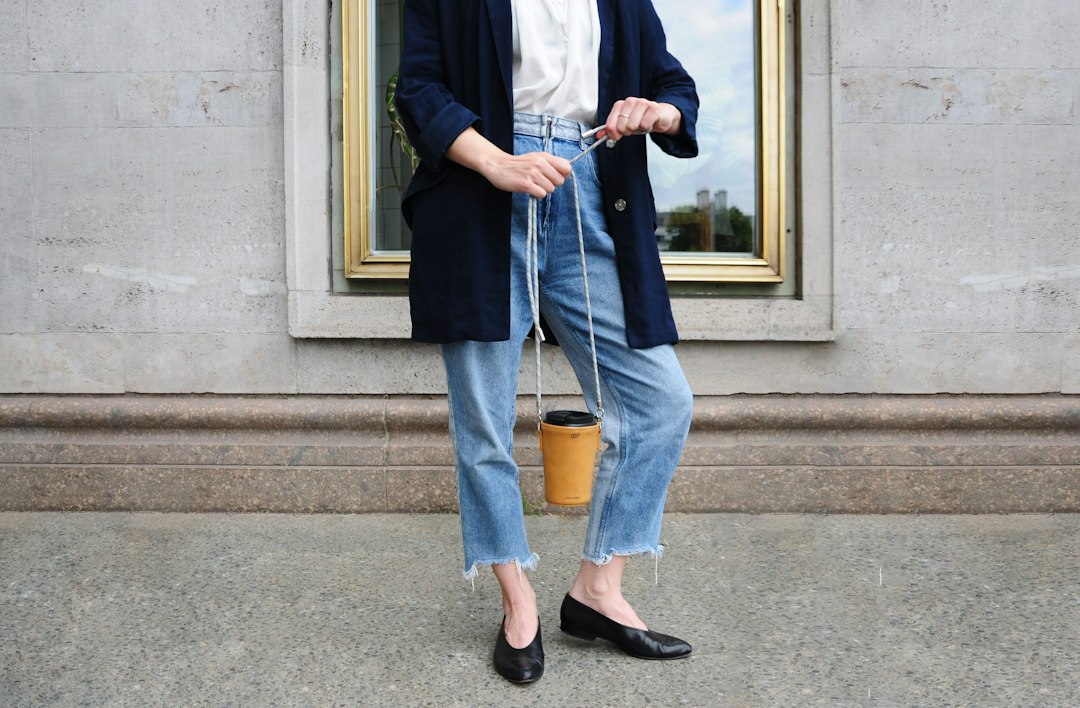
capsule wardrobe for women: step-by-step plan
A capsule is not about deprivation. It is a toolkit built to serve your actual life. The core principles are intention, cohesion, and flexibility. Intention means clothes reflect how you spend your time. Cohesion comes from a tight color palette and a set of silhouettes that share proportional logic—tops and outerwear sit cleanly over bottoms, dress lengths pair with shoe heights, and accessories echo the same metals and textures. Flexibility means the same base pieces can look casual, polished, or event-ready by switching shoes, swapping layers, and adjusting accessories.
Think of your capsule as a system. Each item earns its place by meeting three tests: it fits you today; it mixes with at least three other pieces; and you can imagine wearing it in two or more settings. A white tee that disappeared under cardigans, sat well beneath a blazer, and paired with denim and tailored trousers might pass. A patterned blouse that clashes with everything may not. This filter slows impulse buying and steadily boosts outfit success rates.
Set a realistic target count for a season—often 28 to 40 pieces excluding activewear, sleepwear, and special-occasion attire. That number is a guideline, not a rule. The point is balance among tops, bottoms, dresses, layers, shoes, and a few accessories. If a category gets heavy, ask what you will actually rotate in a typical week. When space or budget is tight, prioritize items that plug obvious gaps or unlock many combinations.
Audit your routine and wardrobe with purpose
Start with your calendar. List the activities that shape most weeks: office days, remote work, school runs, errands, weekend outings, social dinners, and travel. Estimate how often each occurs. An example split might be 40 percent smart-casual work, 30 percent casual errands, 20 percent social evenings, and 10 percent travel. These ratios become your purchase and curation guide. There is little value in stocking cocktail dresses if you spend most days in smart-casual settings.
Look at logistics too. If you commute by train, weatherproof layers and comfortable shoes matter. If your office blasts air conditioning, breathable knits and light jackets outscore thick winter coats. If you stand often, cushioned flats may beat heels. Write down the constraints that shape your day and evaluate pieces through that lens.
Run a closet audit. Pull items by category: shirts, knits, tees, trousers, denim, skirts, dresses, outerwear, shoes, bags, and accessories. Try them on in daylight. Keep only what fits comfortably and supports your style direction. Anything that pinches, rides up, drags, or demands fussing likely does not deserve prime space. Photograph keepers and build a simple phone album to reference when shopping. This visual inventory reduces duplicates and encourages mixing.
Design a color palette that does the mixing for you
A strong palette multiplies options without expanding your closet. Pick two to three neutrals as your base, then one to two accents for energy. Popular neutrals include navy, black, charcoal, camel, chocolate, ivory, and stone. Accents might be forest, burgundy, blush, saffron, cornflower, or teal. Choose shades that flatter your skin tone and suit your climate. The fewer accents you choose, the easier the mixing becomes.
Test your palette with an outfit lab. Lay a navy blazer on a bed, add a white tee and mid-wash denim, then swap the tee for ivory silk or a striped knit. Introduce a camel trench and watch how the colors cooperate. Now drop in a single accent scarf or bag. If everything still looks connected, your palette is working. If a bright top steals attention and clashes with the neutrals, consider relegating that color to accessories or refining its shade toward a softer version.
Coordinate metal finishes and textures. If your hardware skews gold, align jewelry and bag details to match. If your palette feels cool, silver or brushed steel may harmonize better. Add depth by playing with texture: smooth leather against soft knit, crisp poplin under a relaxed blazer, or a silk scarf over rugged denim. Texture creates visual interest inside a restrained palette without relying on extra colors.
Fit, fabrics, and tailoring: quiet power moves
Fit beats trend. A blazer that collapses at the shoulder or trousers that pool at the ankle can flatten any look. Learn the high-impact adjustments a local alterations tailor can make: hemming pants, shaping waists, shortening sleeves, or adjusting a shoulder pad. Small tweaks often transform a good garment into a great one you reach for weekly.
Favor fabrics that feel good and hold shape. For year-round capsules, look for cotton poplin and jersey, merino and cashmere knits, wool or wool-blend suiting, Tencel and lyocell for drape, and silk or satin for dress-up moments. In warm months, linen blends and airy cottons shine. In cold months, lined wool, dense knits, and brushed flannel add warmth without bulk. When possible, choose fabrics with a hint of stretch for comfort but not so much that they bag out after a morning of wear.
Evaluate construction details. Reinforced seams, smooth linings, stable waistbands, and zippers that glide suggest durability. Hold garments up to the light; if they turn transparent where coverage matters, move on. Sit, walk, and reach in the fitting room to simulate real life. If a piece requires constant adjusting, it might frustrate you later. Good materials and thoughtful construction make routine dressing simpler and more pleasant.
Blueprint: an essential list that flexes
Use the following capsule outline as a flexible starting point. Adjust counts for climate, work dress codes, and personal style. The aim is breadth without redundancy, so items multiply into many outfits rather than duplicating each other’s role.
- Tops: 2 crisp shirts (white and light blue), 2 elevated tees (white and black), 1 striped knit, 1 silk blouse, 1 fine-gauge turtleneck, 1 lightweight crewneck.
- Bottoms: 1 mid-wash straight denim, 1 dark trouser, 1 lighter neutral trouser, 1 midi skirt (bias or A-line), 1 tailored short (warm climates) or extra trouser (cold climates).
- Layers: 1 navy blazer, 1 black blazer or relaxed jacket, 1 trench coat, 1 wool coat (cold climates) or utility jacket (mild climates), 1 cardigan.
- Dresses: 1 day dress (shirt or knit), 1 event-ready dress that can be toned down with flats or lifted with heels.
- Shoes: 1 white low-profile sneaker, 1 loafer, 1 ankle boot, 1 heel or refined block sandal, 1 flat or ballet.
- Bags: 1 structured tote, 1 crossbody, 1 compact evening bag.
- Accessories: silk scarf, leather belt, simple hoops, classic watch, sunglasses.
This blueprint is not a prescription. If you live in hot weather year-round, bias toward light fabrics and add another day dress. If you prefer skirts to trousers, build around two skirts and one trouser. What matters is that each category plays well with the rest and supports your weekly routine. Ask a test question before buying: can I style this three ways using what I already own? If not, it may not deserve a spot.
Seasonal capsules: spring, summer, fall, and winter
Keep a stable core and rotate a few pieces as weather shifts. This approach prevents clutter while keeping your wardrobe responsive to temperature and light.
Spring: switch to breathable layers and lighter tones. A trench, cotton-linen blazer, striped knit, and mid-wash denim form a practical spine. Add loafers or clean sneakers and a floral or pastel accessory. Cotton cardigans bridge chilly mornings and warmer afternoons. A rain-ready parka or compact umbrella can earn daily use if showers are common.
Summer: prioritize airflow. Linen trousers or linen shorts, a sleeveless silk top, an airy day dress, and sandals with comfortable straps cover many days. Keep a lightweight jacket or chore coat for air-conditioned interiors. Straw or raffia accessories add texture. Sun-safe hats and sunglasses are both practical and stylish. If heat is intense, a slip dress layered with a linen overshirt can be the easy solution that still feels polished.
Fall: deepen the palette with camel, oxblood, forest, or navy. Reintroduce suiting, ankle boots, and cozy knits. A tweed or houndstooth blazer adds interest without adding another color. Swap silk scarves for wool or cashmere. If rain arrives, water-resistant outerwear and rubber-soled boots can pair with tailored pieces for city days.
Winter: build warmth while maintaining shape. A lined wool coat, heat-trapping base layers, merino and cashmere knits, and sturdy boots with traction are your anchors. Consider warm lined trousers or thicker tights beneath midi skirts. When snow is a factor, prioritize water-resistant outerwear that still looks tailored and a hat and glove set that coordinates with your palette.
Outfit formulas that cut decision time in half
Formulas simplify dressing by providing repeatable combinations that fit your lifestyle. Save two to three formulas per context and keep photos on your phone. Then tweak them with shoe swaps, jewelry changes, or layer adjustments.
- Office smart: navy blazer + ivory knit + charcoal trouser + loafers + simple hoop earrings.
- Client-ready: black blazer + silk blouse + tailored trouser + heel or sleek boot + structured tote.
- Smart casual: striped knit + mid-wash denim + trench + white sneaker + crossbody.
- Evening easy: bias-cut midi skirt + black knit + ankle boot + compact evening bag.
- Weekend relaxed: white tee + utility jacket + straight denim + ballet flats or soft loafers.
- Travel modular: navy cardigan + white tee + tapered trouser + sneaker; add scarf for color and draft protection.
Use small levers to change mood: belts to add structure, open collars for ease, cuffed sleeves to lighten a topper, or a silk scarf to lift neutrals. Play with tonal outfits—head-to-toe camel or navy reads sleek. Alter leg lines by switching between loafers, ankle boots, and ballet flats. One base combination can look different enough to satisfy variety without adding extra pieces.
Shopping with a plan: budget, sourcing, and timing
Anchor your purchases in a quarterly plan. Create two lists: “replace” and “add.” Replace covers worn-out essentials like a white tee or a go-to trouser. Add covers strategic upgrades that unlock combinations—a navy blazer, a versatile day dress, or a shoe shape you do not yet own. Browse for a few weeks to learn price ranges, then act when a piece aligns with your plan and budget.
Try garments with your existing shoes and layers. Bring a current blazer to test over a dress or try a new trouser with your loafers. Set a comfort threshold: if you cannot imagine wearing the item for a full day, it may sit unworn. Pre-loved and consignment stores can offer high-quality fabrics at accessible prices. A minor alteration often revives a great secondhand find. Resist the urge to chase every trend; if your palette is coherent and silhouettes flatter you, small seasonal accents will be enough.
For inspiration and seasonal styling ideas, explore the Style section on our site: myfashionsecrets.com/style. Curated examples can help you spot gaps before you buy and reinforce the habit of shopping your own closet first.
Care, laundry, storage, and small repairs
Care is the hidden engine of a successful capsule. Group laundry by color and fabric weight. Wash tees and denim inside out on cool settings to minimize fading and friction. Hand wash silk (if the label allows) and lay flat to dry, or use a mesh bag and a delicate cycle when appropriate. Many knits refresh with a gentle steam or a short air-out rather than frequent washes. Over-washing accelerates wear and alters texture, so choose cleaning methods intentionally.
Mind hangers and folding. Heavy knits and bias skirts prefer folding to avoid stretching and hanger marks. Suits and coats deserve shaped hangers that support the shoulders. Use cedar blocks or sachets in drawers and garment bags to discourage fabric-damaging insects and keep closets fresh. A compact fabric shaver removes surface pills from knits. Keep a small mending kit handy and secure loose buttons quickly to avoid losing them later.
Seasonal storage matters. Clean garments before storing and zip them into breathable garment bags. Keep storage boxes in a cool, dry place. Label clearly so autumn knits are easy to find without rummaging through summer linens. For footwear, brush off dirt, condition leather periodically, and store boots with shapers so shafts keep their lines. Bags benefit from stuffing with soft tissue to hold shape and dust bags to protect finishes.
Common pitfalls and easy fixes
Too many silhouettes: if every bottom requires a different shoe and hem height, your capsule will feel chaotic. Pick one to two core silhouettes—straight-leg trousers and A-line skirts, for example—and align hems and shoe heights accordingly. A predictable baseline reduces friction and makes shopping simpler.
Palette creep: when a new accent color appears monthly, soon nothing coordinates. Limit accents to one or two and keep the rest neutral. If you love color play, focus it in accessories that do not destabilize core outfits. Remember texture can add interest without adding color; a ribbed knit or tweed blazer brings dimension while staying within the palette.
Buying for a fantasy life: a rack of party dresses when your calendar skews office and errands. Revisit your lifestyle map and let it guide decisions. If a purchase does not fit at least one of your weekly buckets, put it on a wish list and revisit next season. You can still enjoy special pieces, but timing them with real needs keeps the capsule practical and satisfying.
Thirty-day rotation plan: variety without clutter
A simple rotation plan keeps variety top of mind. Assign each week a spotlight piece and build around it. Week 1 might feature the navy blazer; week 2 the bias midi skirt; week 3 the utility jacket; week 4 the day dress. Within each week, change either the top, the bottom, or the shoe daily to shift mood while repeating the spotlight item.
Here is a sample week using seven pieces: navy blazer, ivory knit, striped tee, mid-wash denim, charcoal trouser, loafers, and white sneakers.
- Mon: blazer + ivory knit + charcoal trouser + loafers.
- Tue: blazer + striped tee + denim + loafers.
- Wed: ivory knit + denim + sneakers.
- Thu: striped tee + trouser + loafers + silk scarf.
- Fri: blazer + ivory knit + denim + sneakers.
- Sat: striped tee + denim + flats.
- Sun: ivory knit tied over shoulders + tee + trouser + sneakers.
Track what you loved. If certain combinations come up often, back them up with duplicates (for example, a second pair of your most-worn trousers) or a near twin in a different neutral. Keep notes on what felt off—perhaps a neckline was too high or a shoe rubbed. This feedback loop refines the next edit.
Advanced mixing: prints, textures, and accessories
Once your foundation is set, add nuance with subtle prints, textures, and accessories. Stripe and micro-check patterns blend into many capsules because they read like textured neutrals. A single printed dress in colors pulled from your palette can be a seasonal mood-lifter. If prints feel tricky, put them into scarves, belts, or shoes first. Small doses let you experiment without disrupting cohesion.
Texture pairing is the insider move. Try a smooth leather belt over a ribbed knit dress, a silk scarf against rugged denim, or a suede loafer with crisp cotton poplin. Texture adds depth in a restrained palette and nudges simple outfits toward intentionality. Jewelry anchors also matter: choose one metal family (gold, silver, or mixed) and a small set of shapes you love. Hoops, a chain bracelet, and a simple pendant cover most needs. Consistent jewelry makes quick dressing look complete.
Consider denim variety if it fits your life. A mid-wash straight jean may be your workhorse, while a dark wash and an ecru pair expand options. Keep pocket placement and rise consistent with what flatters you; variation in wash and hem can add interest. With shoes, rotate shapes for silhouette changes: a sneaker softens tailoring, a loafer sharpens denim, and a mid-heel dresses a day dress without sacrificing comfort.
Travel capsule: compact, adaptable, and ready
A travel capsule works like a micro version of your main closet. Begin with one neutral base (navy or black), pick two tops (one knit, one shirt), one cardigan or light jacket, one pant, one denim, one dress, and two shoes (sneaker and loafer or low heel). Add a scarf for warmth and color. Aim for everything to mix. For a long weekend, nine to ten items can yield a dozen outfits. Rolling pieces tightly and using packing cubes helps organization, and a small garment care kit—lint brush, mini steamer, and a few safety pins—solves on-the-go hiccups.
Packable fabrics deserve focus. Knits in merino blends, crepe trousers, and wrinkle-friendly dresses maintain shape after time in a suitcase. If a blazer is essential, consider an unstructured knit version, which looks polished yet packs down easily. Shoes should earn their space: choose pairs that cross contexts, like a sleek sneaker that works with trousers and a day dress, and a loafer that carries you from museum visits to dinner. With careful selection, your travel outfits will feel like your everyday style translated to a carry-on.
Body awareness and silhouette notes
Capsules succeed when proportions flatter. Observe where hemlines hit relative to your height and shoe preferences. Straight-leg trousers that break at the top of a loafer often look sharp and extend the leg line. A-line skirts that end mid-calf pair well with a low-vamp flat or a slim ankle boot; adjust hem length if the combination cuts your leg visually. Cropped jackets can emphasize the waist over dresses, while hip-length blazers anchor trouser looks. Silhouette rules are there to serve you; the best test remains how you feel and how often you reach for a combination.
Small tailoring can shift proportion from fine to great. Shortening sleeves to three-quarters length shows bracelets and lightens a heavy blazer. Trimming a dress hem can clarify the line with your favorite shoes. Trousers often benefit from hemming to a specific shoe—decide whether you will wear a pair mostly with flats or with ankle boots and hem accordingly. When in doubt, take photos in daylight; the lens reveals proportion quirks the mirror sometimes hides.
Keep the system alive: edits that evolve with you
Plan a light edit at the start of each season. Review what you wore most, what collected dust, and why. Rebalance counts: if a navy trouser worked four days a week, consider a second pair in the same silhouette or a near twin in black or camel. If a piece stays unworn, identify the blocker—fit, fabric, color—and decide whether to tailor, dye, or release it. Thoughtful editing keeps the capsule responsive to your life rather than locked into last season’s habits.
Document outfits that felt good. A quick morning mirror photo builds a useful archive. When energy dips, scroll your own “best-of” to repeat strong days. Keep a simple wish list tied to your palette and silhouette plan. When a sale or a consignment find appears, you will know whether it belongs. Over time, the capsule becomes less about rules and more about a reliable personal uniform that can still shift mood with small tweaks.
With clear priorities, a defined palette, dependable fabrics, and a few repeatable outfit formulas, getting dressed becomes a friendly ritual. The aim is not perfection but ease—reaching in, pairing familiar partners, and stepping into your day feeling like yourself.