If you’ve ever stood in front of a full closet and felt like you had nothing to wear, this fashion matching guide is for you. It gathers the most useful tools of outfit building — color rules, silhouette formulas, fabrics, pattern play, and accessories — into a practical system you can use every day. Whether you favor jeans and blazers, silk skirts and knits, or tailored trousers and tees, you’ll find repeatable steps and examples that help you combine pieces with less friction and more confidence.
To keep things actionable, you’ll get quick-start checklists, pairing templates, and sample “outfit recipes” for work, errands, dinners, and weekends away. If you want more inspiration, browse the Fashion Matching category on our site for seasonal lookbooks and shopping notes: myfashionsecrets.com/category/fashion-matching/.
fashion matching guide: the quick-start checklist
Think of this section as your pocket card. When you’re short on time, run through these prompts before you leave the house or add something new to your wardrobe. Over time, this becomes second nature and speeds up decision-making.
- Color anchor: choose one hero tone (black, navy, cream, olive, camel) as the base. Add one supporting neutral and one accent (optional).
- Silhouette balance: pair fitted with relaxed (slim top + wide pant; oversized knit + pencil skirt). Keep volume contrast clear.
- Rule of thirds: aim for a 1/3–2/3 split rather than a 1/2–1/2 cut at the waist or hem.
- Texture interest: include at least one texture shift (denim with silk, cotton with leather, boucle with smooth wool).
- Pattern scale: if you mix prints, vary scale (micro stripe + larger check). Keep a shared color to connect them.
- Footwear logic: match weight and mood (chunky loafer with tailored shorts; sleek pump with fluid wide-leg trousers).
- Accessory focus: one statement or two subtle pieces (hoops + watch, or a single sculptural necklace).
- Fit audit: seams sit on shoulders, waistband lies flat, hemlines skim rather than pull. Tailor common friction points.
- Context check: is this outfit practical for the weather, activity, and space? Swap once, not five times.
Try this now: pick a base like navy. Add cream and camel, then choose slim tee + wide-leg pant, or oversized shirt + tapered trouser. Finish with one texture shift (grainy leather belt) and a single statement accessory.
Know your proportions and fit (so clothes work with you)
Matching is easier when you understand how clothes sit on your frame. No one needs a perfect body to look great; you simply need pieces that cooperate with your proportions. Use these notes as a starting point, then adjust to your taste.
- Vertical balance: imagine your silhouette in three stacked zones — shoulders/chest, waist/hips, legs. If one area is visually heavy (chunky sweater), lighten the others (sleek bottom, minimal shoe).
- Waist definition: a gentle tuck, a half-tuck, a cropped hem, or a belt can clarify where your outfit breaks. Defined waistlines help long layers feel intentional rather than bulky.
- Necklines and collars: V-necks lengthen; crew necks read classic; open collars soften tailoring. Match neckline mood to the rest of the look.
- Shoulder structure: softly structured shoulders sharpen casual outfits. Unstructured shoulders relax tailoring. Both are useful; switch based on context.
- Hem direction: upward lines (front tuck, high-rise) add length; downward lines (long cardigans, duster coats) elongate vertically when worn open.
Practical fit targets help you avoid returns and wasted time. For shirts, shoulder seams should meet the shoulder bone; sleeves end near wrist bone. For trousers, waist should sit without gaping or digging; the seat has smooth drape; the rise matches your comfort. For skirts and dresses, waist should lie flat; the fabric skims over hips without pulling. Perfect fit is rare off-the-rack; small alterations can unlock the whole wardrobe.
Color matching essentials you’ll actually use
Color influences mood and polish, but you don’t need a full theory course to get results. Work from a simple stack: base neutrals, supporting neutrals, and accents. Limit your palette per outfit for clarity and repeatability.
- Base neutrals: black, charcoal, navy, taupe, camel, olive, cream, white. Choose one as your “home base” for a season.
- Supporting neutrals: the neighbors to your base. If your base is navy, supporting might be grey, camel, or cream.
- Accents: one pop that feels like you — red, cobalt, butter yellow, soft lilac, forest green. Accents can be small (bag, scarf) or larger (sweater).
Three reliable strategies:
- Column of color: top and bottom in the same or very similar tone (e.g., navy knit + navy trouser) with a contrasting jacket or shoe. This lengthens and keeps matching simple.
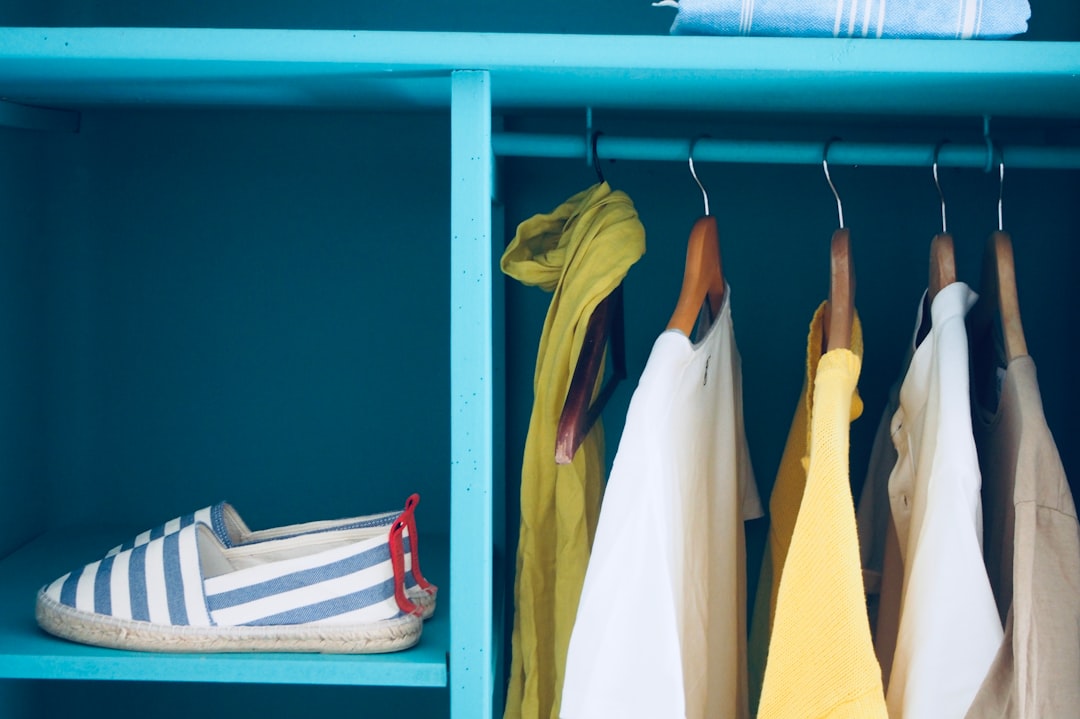
- Near-neutrals + accent: cream denim + camel coat + striped tee + red ballet flats. Two calm tones plus one lively note.
- Analogous ease: colors next to each other on the wheel (olive + chartreuse, navy + teal). Add a neutral to ground them.
If you like to consider undertones, note that cooler palettes often harmonize with silver, gunmetal, or white gold jewelry, while warmer palettes cozy up to gold, brass, or tan leather. Mixed-metal accessories can bridge cool and warm elements in one outfit.
Patterns and textures: combine without clashing
Texture and pattern add depth when color is understated and calm chaos when color is bold. Use three dials — scale, spacing, and surface — to keep combinations intentional.
- Scale: mix micro with macro. Pair a fine pinstripe shirt with a large plaid coat, or a tiny houndstooth skirt with a chunky fisherman knit.
- Spacing: dense prints (tight polka dots) feel busier than open prints (sparse checks). If a print is dense, keep the rest solid or lightly textured.
- Surface: matte (cotton twill), fuzzy (boucle, mohair), sheen (satin, silk), and shine (patent leather). One of each can be too much; aim for two complementary surfaces per look.
Easy pattern pairings:
- Stripe + floral: share a color. Skinny navy stripe tee under a navy floral slip dress, topped with a denim jacket.
- Check + leopard: keep leopard’s scale small and grounded in the outfit’s neutral. Example: camel coat, cream knit, navy check trouser, leopard belt.
- Dot + texture: dot blouse with a textured knit vest and smooth trouser. The dot’s roundness plays well with chunky ribs.
When in doubt, anchor with a solid block of color at the top or bottom, and repeat one color from your pattern in a shoe, belt, or bag to tie the look together.
Silhouette formulas: volume, thirds, and the power of a tuck
Great matching is often about shape, not just color. These formulas let you build balanced outfits with what you already own. Treat them as templates you can tweak.
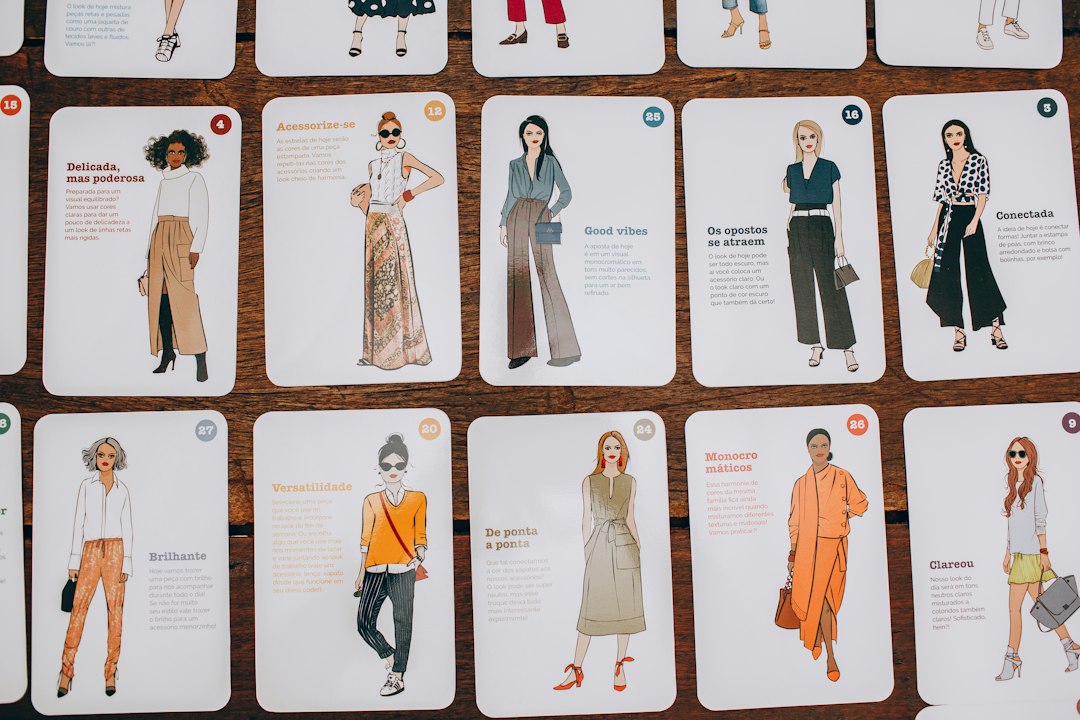
- Slim + wide: fitted tee or bodysuit + wide-leg trouser. Add a belt and a short jacket or cropped cardigan to reinforce the 1/3–2/3 proportion.
- Oversized + tapered: roomy button-up + tapered chino or cigarette pant. Roll sleeves and add loafers to keep it sharp.
- Cropped + column: cropped knit + column skirt (tube or slip). Boots or sneakers depending on the day.
- Long over column: long coat or cardigan over a column of one color. A favorite for travel, especially with comfortable boots.
- Short over long: cropped jacket over a maxi dress or high-rise wide-leg. Defines the waist without tightness.
Use the tuck (full, half, off-center) as a steering wheel. A tuck clarifies where the eye should rest and rebalances long tops. If the fabric is bulky, try a “faux tuck”: fold a small section under and secure with a belt or waistband, preserving the line without bulk.
Footwear is part of the silhouette. Chunky shoes add visual weight; sleek shoes reduce it. Match the weight of the shoe to the volume and fabric of your bottom half so the outfit looks coherent from head to toe.
Capsule wardrobe by lifestyle: build smart, not big
A capsule gives your closet a working nucleus of pieces that mix easily. You can still enjoy statement items, but a capsule pays the bills of everyday dressing. Start with your most frequent settings and build from there.
Office-leaning capsule (12–15 pieces):
- 3 trousers: navy wide-leg, charcoal straight, camel pleat-front
- 2 skirts/dresses: black column skirt, print midi dress
- 4 tops: crisp white shirt, stripe knit, silk blouse, fine-gauge turtleneck
- 3 layers: navy blazer, camel cardigan, trench or topcoat
- 2–3 shoes: loafers, low block heels, simple sneakers
Casual-leaning capsule (12–15 pieces):
- 3 bottoms: washed straight jeans, dark wide-leg jeans, utility pants
- 2 dresses/skirts: knit midi dress, denim skirt
- 5 tops: relaxed tees, ribbed tank, chambray shirt, cotton poplin, sweatshirt
- 2–3 layers: denim jacket, bomber, soft cardigan
- 2–3 shoes: white sneakers, ankle boots, fisherman sandals
Date-and-dinner capsule (8–10 pieces): silk cami, satin skirt, tailored black trouser, fitted knit top, statement earrings, strappy heel, sleek flat, cropped jacket, clutch. All items should echo one or two base neutrals so they cross-pair smoothly.
Keep a small “accent basket” (scarves, belts, jewelry, socks) for each capsule. When you dress, pull from the capsule’s basket to ensure the accessories harmonize with the base palette.
Accessories and details: small moves, big impact
Accessories can change the temperature of an outfit without replacing the core pieces. A tee and jeans can turn polished, playful, or minimal depending on the add-ons. Decide your focal point, then keep everything else supportive.
- Belts: a dark belt adds structure to soft knits; a tan belt warms up black and navy; a metallic belt bridges cool and warm palettes.
- Bags: match shape to outfit vibe — structured top-handle for tailored looks, soft hobo for relaxed layers, crossbody for busy days. Color can be neutral or accent.
- Jewelry: pick a lane. If you wear a bold necklace, keep earrings simple; if you want impact at the ear, skip the necklace and use a bracelet.
- Scarves: silk squares add polish to tees and blazers; long wool scarves add volume and texture to streamlined coats.
- Socks and tights: ribbed socks with loafers; sheer tights with pumps; opaque tights to ground minis in colder months.
Consider metals and hardware. If your outfit already has visible zips and buckles, a minimal watch and simple hoops keep visual noise down. If your clothing is very clean, a chunky chain or stacked rings can provide the interest you want.
Fabric knowledge and garment care for better matching
Fabrics influence drape, volume, and how colors read. Understanding a few textile behaviors helps you select combinations that sit well together and feel comfortable throughout the day.
- Cotton and denim: matte, structured to semi-structured. Great with silky tops or soft knits to add contrast.
- Wool and cashmere: warm and pliable. Pair with crisp cotton or satin for a high-low texture play.
- Linen: airy with visible slubs. Combine with leather or clean denim for contrast; embrace its relaxed wrinkles.
- Satin and silk: sheen and flow. They sharpen casual pieces (hoodies, denim) and soften tailored pieces (blazers).
- Leather and faux leather: smooth or pebbled. Adds backbone to floaty skirts, dresses, and relaxed knits.
Care tips that preserve structure and color:
- Group by fabric weight and color when washing to reduce dye transfer and friction.
- Use a garment brush and steamer to refresh wool and tailored pieces between cleans.
- Hang structured garments on wide hangers; fold heavy knits to avoid stretching.
- Spot-clean small marks promptly so they don’t set.
- Rotate shoes and use simple inserts or cedar blocks to help them keep shape and freshness.
Well-kept fabrics mix more easily because their lines and colors remain clear. That clarity makes matching faster on busy mornings.
Outfit recipes by height and shape (use, don’t obey)
Consider these recipes as helpful blueprints you can tailor to your preferences. Focus on harmony and comfort rather than strict rules.
Petite-friendly ideas:
- Monochrome column + cropped layer: cream knit + cream trouser + cropped navy jacket + nude or tan shoe. The column lengthens; the cropped layer defines the waist.
- Mini-to-midi balance: mini skirt + opaque tights + slim knit + long coat. Keep footwear sleek to extend the leg line.
- High-rise denim + fitted tee + slim belt + ankle boot, coat worn open. The open front forms a lengthening vertical line.
Tall-friendly ideas:
- Long over long: long knit dress + trench + chunky loafer. Break up length with a belt or contrasting bag.
- Relaxed tailoring: oversized button-up + pleated trouser + minimal sneaker. Roll sleeves to add casual structure.
- Wide-leg and platform: fluid wide-leg pants + platform sandal + boxy cropped tee to balance scale.
Curves-friendly ideas:
- V-neck knit + bias-cut midi skirt + ankle boot. Skims without clinging and offers gentle waist emphasis.
- Wrap elements: wrap blouse or tie-waist dress that you can adjust to comfort.
- Structured topper: blazer with soft shoulder pads over a simple tee and straight jeans; add a belt if you like waist definition.
These recipes are starting points. Mix and alter them to fit your taste and your closet’s contents.
Seasonal transitions and layering without bulk
Season shifts are where matching skills shine. Plan layers that can be removed or added while keeping proportions intact. Aim for three layers maximum unless the fabrics are very fine.
- Late summer to fall: tank or tee + open shirt + light trench. Add loafers or ankle boots, and swap in heavier denim.
- Fall to winter: base thermal or fitted turtleneck + knit + coat. Keep the base fitted to avoid bunching under layers.
- Winter to spring: knit + denim jacket or bomber + trench. Choose lighter colors as days brighten (stone, camel, sky blue).
Layering guardrails:
- Stagger lengths: base the shortest, mid layer slightly longer, coat longest. This builds a tidy visual staircase.
- Mind the cuffs and collars: showing a thin cuff under a chunky knit adds polish; popping a collar under a sweater adds dimension.
- Use shoes to lock the season: boots ground fall/winter looks; canvas or leather sneakers lighten spring looks; sandals open up summer outfits.
Keep a shallow bin or hook rail near your door with go-to seasonal add-ons (beanies, gloves, scarves). You’ll match faster when your external layers are visible and easy to grab.
Smart shopping, budgeting, and tailoring that pays off
Buying more doesn’t usually solve matching problems; buying better for your needs often does. A simple plan avoids impulse buys that don’t pair with anything.
- Audit first: list 10 outfits you wear most. Note which items repeat and where you struggle (e.g., no shoe for wide-leg trousers).
- Fill the gaps: set a short list of 3–5 high-impact additions that solve those specific pairing issues.
- Budget by use: invest more where frequency is highest (coats, everyday shoes, trousers) and spend less where turnover is fast (trend color tops).
- Try secondhand: denim, coats, and evening bags are excellent on the resale market and often barely worn.
- Embrace tailoring: hem lengths, nip waists, and slim sleeves. Small changes can make mid-range pieces look elevated and match across more looks.
Before purchasing, test pairing mentally: can this new piece slot into three outfits you already own? If not, wait or find an alternative that does. The goal is a wardrobe that multiplies, not isolates.
The five-step daily styling workflow
When you’re getting dressed, a consistent sequence reduces stress and improves results. This five-step flow takes you from blank slate to ready without backtracking.
- Start with context: calendar, temperature, movement. Decide footwear early; shoes dictate comfort and attitude.
- Pick a base: choose your anchor color — navy, black, camel, olive, or cream — and select the bottom (trouser, skirt, denim).
- Add top for balance: slim with wide, oversized with tapered, cropped with column. Check the rule of thirds once you’re in the mirror.
- Layer with intent: one jacket, blazer, or cardigan that complements both color and silhouette. Keep lapels and lengths in mind.
- Finish with details: belt, watch, earrings, bag. Choose either a statement or a subtle pair. Do a quick sit, walk, and pocket test.
Tip: snap a photo of successful outfits and save them to a folder by context (office, travel, casual). Your phone becomes a personal lookbook you can consult on busy mornings.
Troubleshooting: quick fixes for common outfit problems
Even with a plan, some outfits feel off. Diagnose by asking what the outfit lacks: contrast, structure, or coherence. Then make one adjustment at a time.
- Looks flat or shapeless: add a belt, tuck the top, or swap a long cardigan for a cropped jacket.
- Too busy: remove one print or accessory; switch one item to a calm neutral; choose a single focal point.
- Color clash: unify with a neutral shoe/belt/bag that echoes your base; add one shared color between top and bottom.
- Proportions off: adjust hem, roll sleeves, or change shoe weight (sleeker vs chunkier).
- Fabric friction: pair matte with sheen or soft with structured to create contrast, or double down on one fabric family for calm coherence.
A small kit can rescue outfits on the go: double-sided fashion tape, a compact lint brush, a mini sewing kit, and spare neutral socks. Keep it in your bag or desk.
Style maintenance: keep the system running
Matching becomes easier when your space supports it. Maintain your closet and notes so future decisions take seconds instead of minutes.
- Quarterly closet reset: move out-of-season pieces to an upper shelf or bin; rotate in the current season’s capsule at eye level.
- Outfit log: once a week, record a favorite outfit and why it worked (color harmony, proportion balance, texture contrast).
- Repair rhythm: schedule button replacements, loose seams, and heel taps once a month so items stay wearable.
- Donation habit: if a piece hasn’t been worn in two seasons and doesn’t fit a capsule, consider letting it go.
- Future list: keep a running note of “next upgrades” so sale season becomes targeted and calm.
Over time, your closet will feel like a connected set rather than a pile of maybes. The goal isn’t perfection; it’s momentum — a steady rhythm of outfits that make sense for your life, your taste, and your calendar.
Putting it into action this week
Pick one capsule (office or casual) and build five outfits from it. Photograph them and note the color anchor, silhouette formula, and the accessory strategy you used. At the end of the week, identify what repeated naturally and what felt forced. Adjust your capsule by swapping one piece for a better match or adding a missing bridge item (a belt, a neutral shoe, a layered knit). Repeat next week with the other capsule.
With a few reliable rules and a small amount of planning, you can turn your closet into a set of pieces that mix smoothly day after day. Fold these steps into your routine, and you’ll spend less time deciding, less money on mismatched one-offs, and more time enjoying clothes that serve your life.