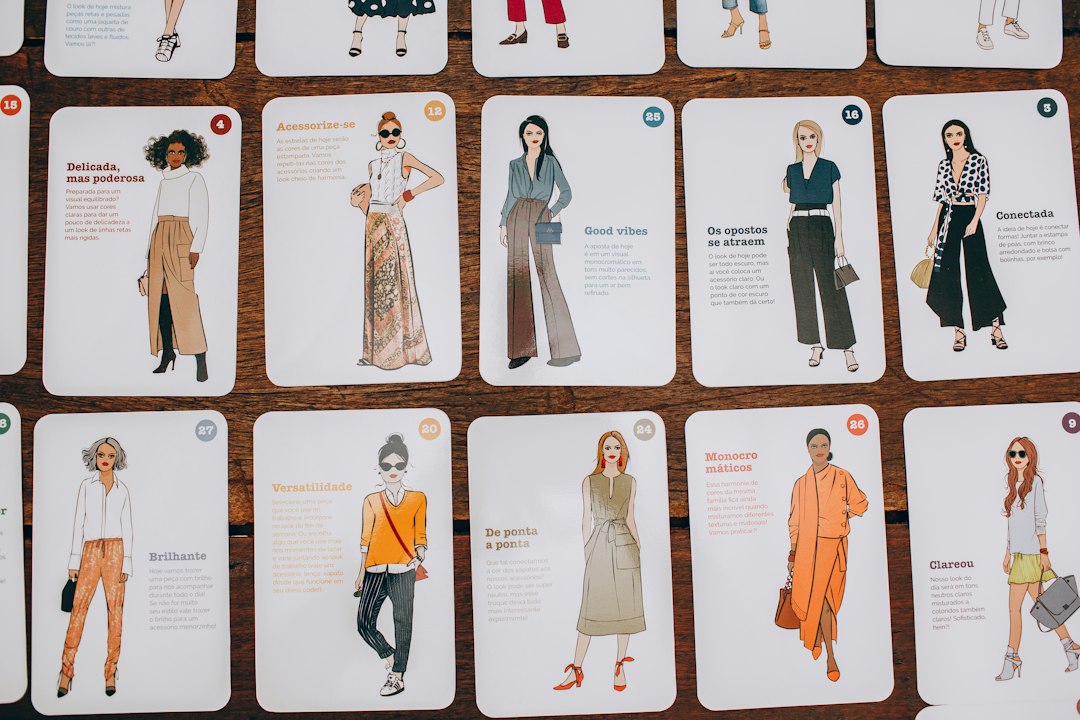
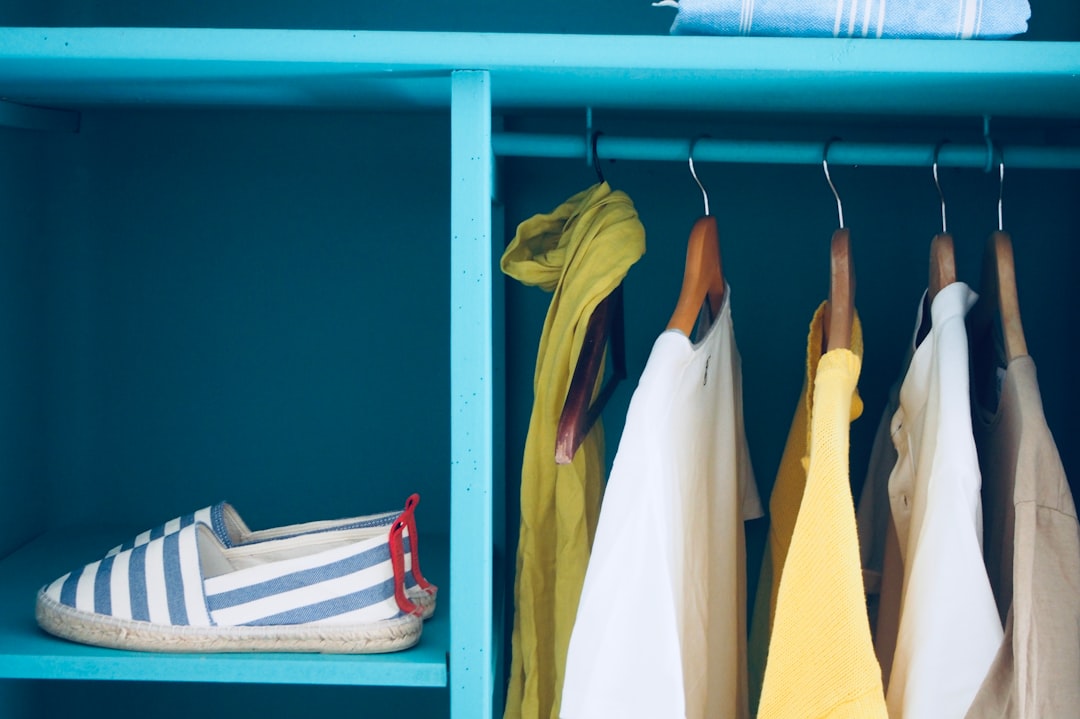
This fashion matching guide is designed to help you build outfits that look intentional, feel comfortable, and work for your real life. Whether you are new to getting dressed with purpose or you already love clothes and want a sharper eye, the steps below give you a repeatable system you can rely on. You will learn color harmony, silhouette balance, print pairing, and smart use of accessories, then practice with simple formulas so your closet starts producing more outfits with fewer pieces.

What fashion matching actually means today
Matching clothes once meant buying a set: jacket, skirt, and shoes in a single tone. Today, the word matching means creating visual connection. That connection can come from related colors, echoing shapes, similar textures, or a shared level of formality. When your outfit connects across those elements, the look reads as coherent rather than random. The great news is that you do not need dozens of trendy items. You need a handful of reliable building blocks and a simple method to combine them.
Start with three questions every morning: What is the setting, how do I want to feel, and which one item will lead? The setting covers temperature, dress code, and time demands. Feeling sets your intention: polished, relaxed, creative, powerful. The lead piece is the garment that has the strongest voice. If the lead is a patterned dress, it dictates color and simplicity for the rest. If the lead is a structured blazer, it dictates sharper lines for trousers and shoes. Let one item lead and everything else play support.
Next, decide which two elements will carry the matching load for the day: color, silhouette, texture, or theme. Pick two and keep the other two quieter. For instance, a tonal navy outfit (color) with sharp lines (silhouette) can use simple textures and minimal theme. On another day, you might choose soft textures (texture) and a coastal vibe (theme), then keep colors and shape simple. This reduces decision fatigue and makes the outfit cohesive.
10 rules of fashion matching you can use tomorrow
Rules help when you want fast choices. Use these as rails, not rigid laws. They guide your eye and speed up your mornings.
- Anchor with one hero and two supporters. Choose one standout piece, then add two supporting items that echo a color, line, or texture in the hero.
- Limit color to a 3-2-1 ratio. Three pieces in your base color, two in a supporting color, and one accent. This stops scattered color use.
- Balance volumes. If the top is oversized, make the bottom neat; if the bottom is wide, keep the top tidy. Shoes finish the proportions.
- Repeat a detail at least twice. If your belt is tan, repeat tan in shoes or bag. If your jewelry is silver, repeat silver hardware somewhere else.
- Mix only one bold at a time. One bold color or one bold pattern is plenty; let the rest calm it down.
- Use texture to add depth. If your colors are quiet, add interest with rib knits, suede, bouclé, or linen.
- Mind the neckline–hemline dialogue. A deep V wants a lighter, narrower bottom; a high crew neck wants a bit more volume below.
- Match formality levels. Canvas sneakers belong with casual denim; polished loafers lift tailored trousers.
- Stop at 7. Cap the number of visible items (top, bottom, jacket, shoes, bag, watch, one jewelry focus). Fewer elements read cleaner.
- Photograph test. Mirror judgment lies. Take a quick photo to evaluate balance and color; adjust once, then go.
Color strategy: palettes that make dressing effortless
Color is your fastest matching tool. You do not need to memorize theory charts; you need three pocket strategies you can apply in seconds: tonal, complementary, and near-neutrals.
Tonal outfits use one color in multiple depths: charcoal, mid gray, and light gray with white sneakers. It is forgiving and reads expensive. Anchor tonal looks with texture shifts so it does not feel flat: a wool blazer, cotton tee, and twill trouser make a beautiful gray stack.
Complementary outfits pair colors across the wheel—think navy with rust, olive with blush, or burgundy with forest green. Keep one darker and one mid-tone to soften contrast. Introduce a neutral to mediate: navy blazer + rust knit + stone trousers works because stone quiets the pairing.
Near-neutrals are colors that behave like neutrals: sage, dusty rose, terracotta, deep plum. Treat them like gray or camel. Combine two near-neutrals plus one true neutral for modern harmony: sage shirt + camel skirt + white sneakers.
To build a palette that makes mornings easy, choose: one dark neutral (navy/charcoal/chocolate), one light neutral (stone/ivory/taupe), one near-neutral (olive/sage/rust), and two accents (cobalt/coral/mustard). Most closets thrive when 70 percent is neutral, 20 percent near-neutral, and 10 percent accent. When in doubt, reduce accent color area to accessories and keep clothing within neutral ranges.
Practical color checks:
- Hold pieces together in natural light, not under store bulbs. Look for undertone alignment—warm with warm, cool with cool.
- If a color choice feels risky, make sure shoes or bag return to your base neutral. That one move ties the outfit back together.
- When adding a new accent color, buy two small items in it (e.g., scarf and belt) so you can repeat the tone immediately.
Proportions and silhouette balance: the fit formula
Great color still fails if shape is off. Silhouette balance is the second pillar of a matched outfit. Think in three vertical zones: shoulder to waist, waist to knee, knee to floor. Where is your volume? Where is your structure? Distribute them so the eye travels smoothly rather than sticking.
Common pairings:
- Relaxed top + straight bottom: boxy tee with straight jeans; add structured loafers to prevent slouch. The straight leg is forgiving, the boxy top provides freshness.
- Tucked knit + A-line skirt: the tuck defines the waist, the A-line adds movement; heels or pointed flats elongate.
- Tailored blazer + wide trouser: this works when the blazer is slightly cropped or nips at the waist, and shoes have a slim profile.
Use lines to refine shape: vertical seams and open jackets elongate; horizontal stripes and thick cuffs widen; diagonal hems energize. If you feel shortened, raise the visual waist with a French tuck or a belt. If you feel boxy, create negative space at the neck (open collar, scoop, or V) and choose a slimmer shoe.
Shoe choice locks proportions. Chunky soles anchor wide trousers or long coats; slim sneakers or ballet flats keep straight or tapered bottoms clean. Match shoe color to either pants or skin tone to lengthen the leg line. When wearing skirts, echo the hem weight with shoe material: heavy tweed with leather boots, airy silk with delicate sandals.
Textures and fabrics: mixing without visual noise
Texture is the secret to making simple color look rich. The rule of three is helpful: combine one matte (cotton jersey, poplin), one soft (cashmere, brushed wool), and one smooth or shiny (silk, satin, polished leather). This trio creates depth without chaos.
Season matters. In cold months, heavier weaves and brushed surfaces feel right together: flannel, bouclé, suede. In heat, lean on airy weaves like linen and seersucker. If you mix across seasons, do it deliberately: a satin skirt with a chunky sweater looks intentional because the contrast is strong and the palette is restrained.
Hardware is texture too. Metal zips, chain straps, and buckle details can either clash or coordinate. Tie metal to jewelry: if your earrings are gold, choose bag hardware in gold when possible. If mixing metals, repeat each at least twice—gold hoops and belt buckle, silver watch and bag chain.
When an outfit looks busy, remove one texture or even out the shine. Matte sneakers calm glossy leggings. A matte leather belt calms a satin blouse. The aim is a rhythmic mix: some light-catching, some light-absorbing, all working together.
Prints and patterns: how to combine stripes, florals, and checks
Pattern mixing feels advanced, but it becomes simple once you manage three variables: scale, spacing, and color linkage. Keep two patterns in different scales and one in a solid. For example, pair a fine pinstripe shirt with a large floral skirt and a solid blazer. The difference in scale prevents competition and the solid jacket gives the eye rest.
Spacing matters. Dense patterns (ditzy florals, tight houndstooth) feel busy; open patterns (bold stripes, oversized checks) feel calm. Mix one dense with one open. If both are dense, you need more solid area, likely in outerwear or shoes.
Color linkage ties the scene. Share at least one color between patterns. Navy stripe with navy floral is friendly even if the prints differ. If you cannot find a color match, harmonize via neutral ground—white, black, stone, or camel. A white tee under a patterned jacket bridges any gap, as do white sneakers or a camel belt.
Practical pattern ideas:
- Stripes with florals work best when the stripe is narrow and colors are shared.
- Checks with animal print work when one is quiet (tonal) and the other is an accent.
- Polka dots pair easily with any geometric pattern if the dots are small.
Accessories as connectors: belts, shoes, bags, and jewelry
Accessories match your outfit by acting as bridges. They echo color, level of shine, or formality. If your clothes are neutral, accessories can carry the accent color. If your clothes are colorful, accessories should often return to a neutral and repeat each other.
Bags and shoes are your strongest pair. They do not need to be identical, but let them share something: material family (leather with leather, canvas with canvas), hardware color, or color temperature. When unsure, match bag to shoes or to hair color. A chestnut bag on a brunette or camel-haired person repeats a natural tone, which is pleasing even with different clothing colors.
Belts frame the outfit. A dark belt grounds light outfits; a light belt punctuates dark outfits. If the belt is a feature, repeat its color or metal once more. If it is a background support, match it to trousers and let it disappear.
Jewelry finishes the message. Choose a metal family and stick with it for the day unless you intentionally mix. Layered necklaces complement open necklines; hoops echo round buttons; angular earrings echo sharp collars. When wearing loud prints or large collars, keep jewelry simple so the total number of statements stays low.
Occasion playbook: work, weekend, and events
It helps to keep a few trusted formulas for the settings you face most. Here are reliable templates that you can shift with color or accessory swaps.
Office smart: tailored blazer + knit tank + straight trousers + loafers + structured tote. Swap the blazer for a cardigan on casual days; swap loafers for sleek sneakers if the dress code allows.
Creative casual: oversized shirt + cropped tank + barrel jeans + minimalist sneakers + crossbody bag. Soften with a sweater over the shoulders or sharpen with a slim belt.
Polished dinner: column dress in a near-neutral + heeled sandals + compact shoulder bag + two delicate jewelry pieces. Add a leather jacket to toughen; add a shawl to soften.
Weekend errand: Breton stripe tee + utility pants + slip-on sneakers + canvas tote + baseball cap. Use a tan belt to link to tan shoe soles for a tiny but effective echo.
Once you pick a base formula, swap colors and textures rather than reinventing. That is real matching: keeping the structure consistent while changing the notes.
Capsule wardrobe matching: build 30 outfits from 12 pieces
A capsule is not about minimalism for its own sake. It is about compressing choice into a group of items that all connect. Try this 12-piece, four-week capsule that leans modern and realistic. Choose a navy base and olive near-neutral, then add white and camel as support, plus one accent like coral or cobalt.
- Outer: navy blazer, light trench.
- Tops: white tee, striped tee, olive blouse, silk cami.
- Bottoms: straight blue jeans, stone trousers, navy skirt.
- Dresses: jersey midi in near-neutral.
- Shoes: white sneakers, brown loafers.
- Accessories: tan belt, camel bag, silver hoops.
Outfit math examples:
- Striped tee + stone trousers + navy blazer + loafers + camel bag.
- White tee + blue jeans + trench + sneakers + tan belt.
- Olive blouse + navy skirt + loafers + silver hoops.
- Jersey midi + trench + loafers + delicate necklace.
- Silk cami + navy blazer + jeans + heels (if you own them) or loafers.
Because every piece relates by color or silhouette, the combinations are flexible. If your life is warmer or colder, swap the trench for a wool coat or linen blazer. If you wear more black than navy, make the base black and choose a near-neutral like charcoal or deep olive. The principle is the same: shared colors and compatible shapes.
Try-on workflow: a repeatable system for better outfits
Great outfits come from a small amount of planning done well. Use this weekly workflow to speed up mornings and reduce stress. It requires 30 minutes and pays off all week.
- Review your calendar: note events, weather, and dress codes.
- Pick three base formulas: one office, one casual, one dressy.
- Pull candidates: lay out five tops, five bottoms, three layers, four shoes, and two bags that fit the week’s needs.
- Build five complete looks: assemble head to toe, including accessories; take phone photos.
- Edit: remove one element from any look that feels busy; swap shoes that break proportions.
- Stage: hang each outfit together, or bag small accessories on the hanger.
During the week, follow the photo rather than your mood. If a look fails midday, record why and fix that specific variable next time: wrong shoe weight, neckline too high, belt too light. A week later, try the corrected version and photograph again. Over a month or two, your album becomes a personal lookbook you can trust.
Common mistakes and how to fix them fast
Everyone makes the same handful of errors when matching outfits. Fixing them is straightforward once you know what to look for.
- Too many focal points: large earrings, bold print, colorful shoes, and statement bag all competing. Fix: keep one statement and return the rest to neutrals.
- Color clash from undertones: cool navy with warm tan may look dirty if the tan is too orange. Fix: choose a cooler camel or pair navy with stone and bring tan back through accessories only.
- Proportion mismatch: chunky boots with tight ankle pants creating a hard stop. Fix: choose a cropped straight leg or a slimmer boot profile.
- Texture overload: cable knit, suede, leather, and shiny satin in one look. Fix: remove one texture and convert one shiny item to matte.
- Formality mismatch: gym leggings with a structured blazer and high-shine loafers. Fix: swap leggings for tailored joggers or swap loafers for clean sneakers.
To catch these before leaving the house, do a three-second scan: is there one hero, are colors limited, do shoes and bottoms agree, and is the total shine level consistent? If you answer yes to those, you are done.
Care, tailoring, and upkeep to keep outfits looking sharp
Matching also means your clothes look well kept. A clean hem and crisp neckline will elevate even a basic tee. If you can, tailor three pieces: your favorite trousers at the hem, your blazer at the sleeve, and one dress at the waist. These small changes make everything else read as intentional.
Home care checklists:
- Steam rather than iron for most items; it preserves fibers and relaxes wrinkles quickly.
- Use a fabric shaver on knits and a lint brush on dark trousers.
- Spot clean shoes weekly; condition leather monthly.
- Hang jackets on broad hangers; fold heavy knits to avoid stretching.
Store seasonals properly. When you rotate wardrobes, clean items, repair loose buttons, and pack them in breathable bags with cedar. When they return, they should slot back into your palette without surprise damages. Treat care as part of matching; maintenance is how your pieces continue to connect visually over time.
Shopping smart: decision filters and store strategies
Buying with a matching lens means asking, What does this connect to? Use a three-filter test before you buy: it must link to at least two pieces you own by color, to one piece by silhouette, and to an occasion on your calendar. If it misses any, leave it for later. You are not depriving yourself; you are curating a system that works every day.
In stores, photograph potential items next to your existing pieces when you can bring them, or use saved phone photos to check color and style. Try items with the right shoes. If the store has only towering heels but you live in flats, stand on tiptoe to simulate heel length; better yet, bring your everyday shoes with you.
Online, build carts that act like outfits rather than individual pieces. If you add a patterned blouse, add the neutral trouser that completes it and the belt that repeats a tone. When the package arrives, try on the trio together. If one fails, return the one that breaks the match. Keep the rest only if they connect well to your closet.
Seasonal switches and travel packing tips
Seasonal matching means shifting texture and color intensity while keeping structure similar. In summer, favor lighter weaves, open weaves, and brighter accents; in winter, deepen the palette and thicken textures. Keep your base formulas and adjust fabrics: swap the wool blazer for linen, the leather loafer for canvas sneaker, the heavy denim for chambray, then maintain the same color logic.
For travel, choose one dark base, one light base, and one accent. Pack three tops, two bottoms, one dress or jumpsuit, one layer, two shoes, and two bags that connect across your palette. Example: navy base with white and olive accents, white sneakers and tan sandals, a tan belt and camel bag to repeat. Lay outfits flat on the bed, photograph, and then roll. If you cannot make at least six looks from the pieces, review your color repeats and silhouette balance.
Travel packing checklist:
- Choose a three-color palette (dark base, light base, accent).
- Limit shoes to one walking pair and one smarter pair that works with every bottom.
- Bring a scarf or necklace that repeats your accent color for instant cohesion.
- Include a small laundry kit so pieces return home ready to rejoin your closet.
Where to find more outfit ideas and how to keep learning
Build a small habit of saving looks you like from street style, brand lookbooks, and films. Tag what draws you: color, shape, or texture. Recreate the idea using what you own rather than hunting exact pieces. When you hit a wall, revisit your palette and proportions; most problems live there, not in the number of items you own.
For curated inspiration and step-by-step outfit breakdowns, visit our Fashion Matching hub. You will find look formulas, seasonal swaps, and real-closet examples built on the same methods from this article. Explore more looks here: myfashionsecrets.com Fashion Matching.
The goal is not to impress strangers with rare pieces. It is to move through your week in clothes that support your day and reflect your taste, without second-guessing every choice. When your palette is set, your shapes are balanced, and your accessories connect the dots, your outfit feels calm and complete. That is modern matching—and it gets easier every time you practice.